Porcelain Laminate Veneers Istanbul: The Art of Designing a More Confident Smile
Porcelain Laminate Veneers Istanbul: The Art of Designing a More Confident Smile
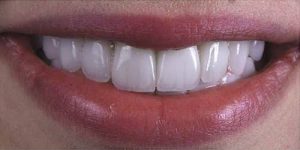
Porcelain Laminate Veneers Istanbul offers a cosmetic dentistry approach that can improve the appearance of teeth while preserving a natural-looking smile. Dentists use thin porcelain veneers to address concerns such as tooth colour, minor shape irregularities, small gaps and worn edges, while planning the result around the patient’s facial features and personal expectations.
Dental Implant
Why Porcelain Veneers Are Popular for Smile Transformations
A smile influences facial appearance, communication and first impressions. For this reason, many people look beyond simple tooth whitening when they want a more noticeable cosmetic improvement. Porcelain laminate veneers can provide a comprehensive approach by combining changes in colour, proportion, contour and tooth symmetry.
Porcelain has optical properties that closely resemble natural enamel. High-quality dental ceramics can reflect and transmit light in a way that creates depth rather than producing a flat, artificial appearance. This characteristic makes porcelain veneers particularly attractive to patients who want a brighter smile without losing a natural visual character.
Dentists can also use veneers to address several cosmetic concerns within the same treatment plan. Depending on the condition of the teeth, a smile makeover may address:
Discolouration that does not respond sufficiently to whitening
Small chips or worn edges
Minor spacing between teeth
Slightly irregular tooth shapes
Uneven proportions between visible teeth
Certain cosmetic concerns involving tooth symmetry
Teeth that appear too short or narrow
Porcelain veneers do not simply make teeth whiter. They allow dentists to redesign several visual characteristics of the smile as part of one coordinated treatment.
The planning process therefore matters as much as the ceramic material itself. A beautiful result depends on tooth preparation, bite assessment, facial proportions, gum contours, veneer thickness, ceramic selection and communication between the dentist, laboratory technician and patient.
How Veneer Shape and Colour Are Selected
Choosing the right veneer shape requires more than selecting a photograph from a catalogue. Dentists evaluate the patient’s facial structure, lip movement, existing teeth, gum line and smile dynamics before deciding on the final proportions.
The shape of the central incisors often plays an important role because these teeth occupy a prominent position in the smile. Their width-to-height ratio, incisal edge position and relationship with neighbouring teeth can significantly influence the overall appearance.
A dentistmay assess several factors during smile design:
Facial symmetry and proportions
Lip position at rest and during smiling
Tooth width and length
Gum visibility
Incisal edge position
Existing tooth anatomy
Bite relationship
Age-related characteristics
Personal aesthetic preferences
Colour selection follows a similarly detailed process. Instead of simply choosing the brightest available shade, the dental team considers skin tone, lip colour, neighbouring teeth and the desired level of brightness.
Very bright veneers can create a striking appearance, but excessive brightness may reduce natural-looking depth. A carefully selected shade can provide a lighter smile while retaining subtle variations that help the veneers blend with the rest of the face.
Teeth Whitening
Smile Design Goes Beyond Tooth Colour
A successful smile makeover does not focus exclusively on individual teeth. Dentists also evaluate how the teeth interact with the lips, gums and surrounding facial structures.
For example, a tooth can look attractive on its own but appear disproportionate when placed beside neighbouring teeth. The same principle applies to veneer length. Extremely long veneers may create an unnatural appearance if they do not correspond with the patient’s lip dynamics and facial proportions.
Digital smile design can help patients understand these relationships before treatment begins. Dentists can use digital photographs, scans and planning software to examine possible changes in tooth dimensions and smile architecture.
However, digital simulations should support clinical planning rather than replace it. A computer-generated smile represents a planning concept, not a guarantee of the exact final result.
The dentist still needs to evaluate enamel condition, tooth position, occlusion, periodontal health and other clinical factors before proceeding.
What Makes Porcelain Different From Other Veneer Materials?
Porcelain laminate veneers use dental ceramic designed for aesthetic applications. Their appearance, surface characteristics and resistance to staining make them a popular option for cosmetic dentistry.
Composite bonding offers another approach. Dentists can apply tooth-coloured composite resin directly to the tooth and shape it during treatment. Composite treatments can work well for selected cases, but porcelain and composite differ in durability, optical characteristics, maintenance and treatment planning.
Feature
Porcelain Laminate Veneers
Composite Bonding
Appearance
High aesthetic potential with enamel-like optical properties
Can produce attractive results with good technique
Stain resistance
Generally high
More susceptible to surface staining over time
Treatment approach
Requires detailed laboratory and clinical planning
Often allows direct chairside application
Durability
Can offer long-term service with appropriate care
Usually requires more maintenance or repair
Customisation
Laboratory fabrication allows detailed shape and colour control
Dentist shapes the material directly
Maintenance
Requires normal oral hygiene and professional monitoring
May require periodic polishing or repairs
The appropriate choice depends on individual circumstances. A dentist should consider tooth structure, bite forces, oral hygiene, cosmetic expectations and long-term maintenance before recommending a specific treatment.
Understanding the Veneer Treatment Process in Istanbul
Patients researching porcelain laminate veneers in Istanbul often want to know what the treatment journey involves. The exact sequence can vary, but comprehensive cosmetic dentistry usually begins with a detailed consultation.
During the first appointment, the dentist examines the teeth and gums and discusses the patient’s expectations. Photographs, digital scans, radiographs or other diagnostic records may help the dental team develop a more precise treatment plan.
The planning stage can include:
Smile and facial analysis
Dental examination
Gum assessment
Bite and occlusion evaluation
Digital scanning
Shade planning
Tooth proportion analysis
Discussion of veneer design
Laboratory communication
The dentist then determines whether veneers suit the patient’s oral health and aesthetic goals. If cavities, gum inflammation, significant bite problems or other dental conditions exist, the clinician may recommend addressing those issues before cosmetic treatment.
Once the treatment plan becomes clear, the dentist prepares the teeth according to the selected technique. Modern minimally invasive approaches aim to preserve as much healthy tooth structure as the clinical situation allows.
The laboratory then creates the ceramic restorations according to the dentist’s specifications. During the fitting stage, the dental team checks the veneers for colour, shape, contact points, margins and functional harmony.
Patients should never judge the final result only by colour. Fit, bite, tooth proportions and the relationship between the veneers and surrounding tissues also determine treatment quality.
Why Istanbul Attracts International Dental Patients
Istanbul has developed a significant international dental treatment sector, with clinics serving both local and overseas patients. The city combines a large healthcare market with dental laboratories, specialist clinicians and experience in cosmetic dentistry.
Patients travelling from abroad often compare clinics according to factors such as:
Dentist qualifications and experience
Treatment planning process
Laboratory standards
Communication and language support
Diagnostic technology
Aftercare arrangements
Transparency of treatment costs
Reviews and independent patient experiences
Price can influence a decision, but it should not become the only selection criterion. Two veneer packages with similar prices may differ substantially in material selection, diagnostic planning, dentist experience, laboratory involvement and aftercare.
A low treatment price does not automatically represent better value, just as a higher price does not automatically guarantee superior clinical quality.
Patients should therefore examine exactly what a quoted treatment includes before making a decision.
How to Evaluate a Porcelain Veneer Clinic
Choosing a clinic requires careful research because cosmetic dentistry combines medical considerations with highly subjective aesthetic preferences.
Before treatment, patients can ask the clinic for clear information about:
The dentist who will perform the treatment
The type and manufacturer of ceramic
The laboratory responsible for fabrication
The planned number of veneers
The expected treatment stages
Whether digital scans form part of the planning process
What happens if a veneer requires adjustment
What aftercare the clinic provides
How the clinic handles follow-up appointments
Reviewing genuine before-and-after cases can also help. Patients should look for cases with similar dental characteristics rather than relying only on highly edited promotional photographs.
A good consultation should feel like a two-way discussion. The dentist should explain what the treatment can realistically achieve and identify limitations rather than promising a perfect smile without considering clinical conditions.
Porcelain Veneers and Natural-Looking Results
Many patients associate cosmetic dentistry with extremely white, perfectly symmetrical teeth. Modern smile design can take a different approach by introducing subtle variations that mimic natural dental anatomy.
Natural teeth rarely have completely identical shapes. Their incisal edges, translucency, surface texture and colour can vary slightly. Replicating some of these characteristics can make veneers appear more integrated with the face.
The technician may incorporate details such as translucency near the incisal edge, controlled surface texture and carefully selected colour gradients. These small characteristics can have a significant effect when light interacts with the ceramic.
The dentist also needs to consider the gum line. Veneers cannot compensate for every gum-related issue, so periodontal assessment remains an important part of comprehensive smile planning.
Think about the final smile as a complete composition rather than a collection of individual teeth. A successful design should complement facial proportions, lip movement and the patient’s natural appearance.
Bring reference photographs to the consultation if you have a particular aesthetic preference. However, use those images as inspiration rather than as an exact template because every person has different facial and dental proportions.
It also helps to discuss how bright you actually want the final smile to look. A shade that appears attractive in a photograph may look very different under natural daylight.
Porcelain veneers require healthy foundations. Patients should not view veneers as a substitute for treating untreated dental disease or poor oral hygiene.
People who grind or clench their teeth may require additional evaluation because excessive forces can increase the risk of ceramic damage. A dentist may recommend protective measures such as a night guard depending on the individual situation.
Patients should also understand that veneers do not make teeth indestructible. Hard objects, nail biting, using teeth as tools and untreated bruxism can place unnecessary stress on ceramic restorations.
Regular dental examinations remain important after treatment. Professional monitoring allows the dentist to assess the veneers, gums, bite and underlying teeth over time.
One common mistake involves choosing veneers solely according to the lowest advertised price. Cosmetic dentistry involves several stages, and cutting costs in planning or laboratory work can affect the overall experience and result.
Another mistake involves requesting an excessively bright shade without considering facial harmony. A brighter colour may look impressive initially, but a carefully selected shade often creates a more balanced appearance.
Some patients also focus exclusively on before-and-after photographs. Photographs can demonstrate possibilities, but they do not reveal every clinical factor involved in a treatment.
Other common mistakes include:
Ignoring gum health before cosmetic treatment
Choosing a veneer shape without considering facial proportions
Failing to discuss bite or teeth grinding
Assuming every smile can receive the same veneer design
Not asking which ceramic material the clinic uses
Failing to understand aftercare requirements
Comparing clinics only by package price
Maintaining Porcelain Veneers After Treatment
Good oral hygiene remains essential after receiving porcelain veneers. Patients should brush regularly with an appropriate toothbrush and fluoride toothpaste while also cleaning between the teeth.
Dental check-ups allow clinicians to monitor the veneers and surrounding tissues. These appointments can also identify changes in bite, gum health or the condition of the underlying teeth.
Dietary habits matter as well. Although porcelain offers good resistance to everyday staining, patients should avoid using their teeth to open packaging or bite excessively hard objects.
A practical maintenance routine includes:
Brush twice daily
Clean between teeth every day
Attend regular dental examinations
Address teeth grinding when necessary
Avoid biting hard non-food objects
Follow the dentist’s individual maintenance recommendations
With appropriate care, porcelain veneers can remain an important part of a long-term smile design, although their lifespan varies according to oral health, bite, material, technique and daily habits.
Is Porcelain Veneer Treatment Right for Everyone?
Porcelain veneers can suit many cosmetic concerns, but they do not represent a universal solution. The dentist needs to examine the condition of the teeth and supporting tissues before recommending treatment.
Patients with significant tooth decay, uncontrolled gum disease, severe enamel loss or certain bite problems may need other treatments first. In some cases, orthodontic treatment, periodontal care, restorative dentistry or tooth whitening may provide a more appropriate starting point.
A personalised assessment therefore matters more than following a general trend. The goal should remain a healthy, functional and aesthetically harmonious smile.
FAQs
How long do porcelain laminate veneers last?
Their lifespan varies according to ceramic type, clinical technique, oral hygiene, bite forces and personal habits. Regular dental examinations and good daily care can help maintain the restorations for many years.
Are porcelain veneers painful?
The experience depends on the treatment technique and the individual condition of the teeth. Modern dentistry can use local anaesthesia when necessary, while minimally invasive approaches may reduce discomfort during treatment.
Can I choose the colour and shape of my veneers?
Patients can express their aesthetic preferences, but the dentist should evaluate those preferences alongside facial proportions, tooth anatomy, gum appearance and bite. The final design should balance personal expectations with clinical considerations.
How much do porcelain veneers cost in Istanbul?
The cost varies according to the number of veneers, ceramic material, laboratory standards, dentist experience, diagnostic procedures and the complexity of the case. Patients should request a detailed treatment plan and clarify exactly what the quoted price includes before comparing offers.
Dental Implant Treatment: Rebuilding More Than Just a Missing Tooth
Dental Implant Treatment: Rebuilding More Than Just a Missing Tooth
Dental implant treatment offers a long-term way to replace a missing tooth while restoring chewing ability, facial balance and confidence. Instead of simply filling an empty space, dental implants create a stable foundation that can support a natural-looking crown and help protect the surrounding oral structures.
Dental Implant
From Missing Tooth to Fully Restored Smile
Losing a tooth affects more than appearance. A gap can change the way you chew, influence the position of nearby teeth and gradually alter the way your smile looks. Some people also notice changes in speech or feel uncomfortable when they smile in social situations.
A dental implant addresses the problem at its foundation. The treatment uses a small biocompatible implant, usually made from titanium, to replace the missing tooth root. After the implant integrates with the jawbone, the dentist can connect an abutment and place a custom-made dental crown on top.
The result can closely resemble a natural tooth in both appearance and function. With appropriate planning and maintenance, an implant-supported restoration can provide a durable solution for many patients.
Why Replacing a Missing Tooth Matters
A missing tooth can create several long-term concerns:
Nearby teeth may gradually move toward the empty space.
Changes in the bite can affect chewing efficiency.
The jawbone can lose volume in the area of the missing tooth.
Food can accumulate around the gap more easily.
Facial proportions may change when significant tooth loss occurs.
Patients may feel less confident when speaking or smiling.
Replacing a missing tooth early can help preserve oral function and make future restorative treatment more predictable. However, the ideal timing depends on the patient’s bone condition, general oral health and treatment requirements.
More Than an Aesthetic Solution
Many patients initially consider implants because they want to improve their smile. A well-planned implant can also support functional goals such as comfortable chewing and balanced bite forces.
Unlike a removable denture, an implant-supported crown remains fixed in the mouth. Unlike a conventional dental bridge, an individual implant does not require the dentist to prepare healthy neighboring teeth simply to support the replacement tooth.
This distinction makes implant dentistry particularly valuable when a patient has a single missing tooth surrounded by otherwise healthy teeth.
What Happens During the Implant Treatment Process?
Dental implant treatment follows several stages, and the exact sequence can vary according to the patient’s oral condition. The dentist first evaluates the mouth, jawbone and bite before choosing the appropriate treatment strategy.
Modern implant planning often combines a clinical examination with digital imaging. A panoramic X-ray or three-dimensional CBCT scan can help the dentist evaluate bone volume, anatomical structures and the proposed implant position.
Initial Examination and Treatment Planning
The first appointment focuses on diagnosis rather than immediately placing an implant. The dentist examines the gums, remaining teeth and bite while reviewing the patient’s dental and medical history.
The treatment plan may consider:
Number and location of missing teeth
Jawbone height and width
Gum health
Existing dental restorations
Bite alignment
Smoking habits
Oral hygiene
Bone grafting requirements
Desired aesthetic outcome
A precise treatment plan helps the dentist position the implant according to both biological and restorative requirements.
Implant Placement
During implant placement, the dentist creates a carefully measured space in the jawbone and inserts the implant. Local anesthesia helps control discomfort during the procedure.
After placement, the surrounding bone gradually develops a stable connection with the implant surface. Dentists call this biological process osseointegration. The length of this phase varies according to bone quality, implant location and individual healing.
Dental Clinic
Healing and Osseointegration
Healing represents one of the most important stages of implant treatment. The implant needs sufficient stability before the dentist places the final restoration.
Patients should follow the dentist’s post-operative instructions carefully during this period. Good oral hygiene, appropriate nutrition and avoiding habits that can interfere with healing can all support a smoother recovery.
Abutment and Crown Placement
Once the implant reaches the required level of stability, the dentist connects an abutment that supports the final crown. The dental laboratory then creates a restoration according to the patient’s tooth color, shape, bite and facial proportions.
The dentist checks the crown carefully before final placement. The restoration should feel comfortable during chewing and should also harmonize with the surrounding teeth.
How Long Does Dental Implant Treatment Take?
There is no single timeline that applies to every patient. A straightforward single-tooth case may progress relatively quickly, while patients who require bone grafting or treatment for gum disease may need additional time.
A typical treatment journey may include:
Treatment stage
Main purpose
Approximate timing
Examination and imaging
Evaluate oral and bone health
1–2 appointments
Implant placement
Replace the missing tooth root
Usually one procedure
Healing period
Allow bone integration
Often several months
Abutment stage
Connect the implant to the crown
Usually after adequate healing
Crown placement
Restore appearance and function
Final restorative stage
Follow-up
Monitor healing and long-term stability
According to dentist’s schedule
These timeframes provide general guidance rather than a guaranteed schedule. Bone quality, implant position, gum health and additional procedures can significantly influence treatment duration.
What If There Is Not Enough Jawbone?
Some patients worry that bone loss automatically prevents implant treatment. In reality, dentists can evaluate several approaches when the jawbone lacks sufficient volume.
Tooth loss can trigger gradual bone resorption because the jaw no longer receives the same stimulation from a natural tooth root. A dentist may recommend a bone graft or another augmentation procedure when the available bone cannot provide adequate support.
Sinus augmentation can also become relevant for certain upper-jaw cases, particularly around the posterior teeth. The dentist determines whether such a procedure makes sense after reviewing three-dimensional imaging.
Can Dental Implants Look Natural?
A successful implant restoration should not look like an artificial replacement that stands apart from the surrounding teeth. Dentists and dental technicians consider multiple aesthetic details when designing the final crown.
These can include:
Tooth shade
Crown shape
Tooth proportions
Gum contours
Position of neighboring teeth
Facial symmetry
Smile line
Bite relationship
The best aesthetic result comes from coordinating surgical planning with restorative and cosmetic planning from the beginning.
Understanding Implant Materials and Components
A dental implant restoration contains several components, and understanding their roles can help patients make informed decisions.
The implant replaces the root portion. The abutment connects the implant to the visible restoration, while the crown recreates the tooth that people see when they smile.
Titanium remains widely used because of its established compatibility with bone tissue. Some treatment plans may also consider zirconia implants, depending on the clinical situation and dentist’s assessment.
The crown itself can use different ceramic materials. Dentists select the material according to factors such as location, bite forces, aesthetic expectations and the patient’s individual needs.
Do not choose an implant treatment solely by comparing the headline price. A reliable evaluation should consider the implant system, diagnostic imaging, surgical planning, crown material, laboratory work, additional procedures and follow-up care.
A lower initial quotation may not include every stage of treatment. Ask for a clear treatment plan that explains what the quoted fee covers and which procedures could create additional costs.
Patients sometimes focus entirely on the implant itself and overlook the condition of the surrounding gums and teeth. Healthy supporting tissues play an important role in long-term implant maintenance.
Before treatment, address active gum disease, untreated decay and poor oral hygiene whenever necessary. Smoking can also negatively affect oral healing and may increase the risk of implant complications.
Implant treatment does not eliminate the need for daily oral hygiene or professional dental examinations. An implant cannot develop conventional tooth decay, but the tissues surrounding it can still develop inflammation and disease.
One common mistake involves assuming that every missing tooth requires exactly the same implant procedure. Dentists need to assess each case individually because bone structure, gum condition, tooth position and bite vary considerably.
Another mistake involves treating the crown as an afterthought. The final tooth determines how the implant should support the restoration, so restorative planning should influence implant positioning from the beginning.
Patients may also stop paying attention to the implant after the crown feels comfortable. Long-term success requires consistent brushing, interdental cleaning and professional monitoring.
How to Support Long-Term Implant Health
Good maintenance begins with everyday habits. Patients should clean around the implant carefully and follow the dentist’s recommendations for interdental brushes, floss or other cleaning tools.
Regular dental appointments allow the dentist to monitor the implant, crown, gums and surrounding bone. These visits can help identify problems before they become more difficult to manage.
A practical maintenance routine can include:
Brush twice daily with an appropriate toothbrush.
Clean between teeth and around the implant every day.
Attend recommended dental examinations.
Avoid using the implant to bite extremely hard objects.
Follow professional cleaning recommendations.
Contact the dentist if bleeding, swelling, pain or unusual mobility develops.
The Psychological Side of Tooth Replacement
Tooth loss can influence confidence as much as oral function. Some people avoid photographs, cover their mouths when laughing or feel uncomfortable during conversations.
Restoring a missing tooth can therefore provide benefits beyond chewing. A natural-looking restoration may help patients feel more comfortable expressing themselves in everyday social and professional situations.
However, expectations matter. A dentist should explain what the treatment can realistically achieve before starting. A strong consultation combines functional goals with aesthetic expectations rather than promising a perfect result for every patient.
Is Dental Implant Treatment Right for Everyone?
Many adults can benefit from implant treatment, but dentists need to evaluate individual circumstances first. Adequate bone support, healthy oral tissues and good hygiene create important foundations for treatment.
Certain conditions may require additional management before implant placement. Severe gum disease, uncontrolled systemic conditions, insufficient bone volume or poor oral hygiene can affect treatment planning.
Age alone does not automatically determine implant suitability. The dentist focuses more on overall health, bone condition, oral hygiene and the patient’s ability to maintain the restoration.
Choosing the Right Dental Implant Provider
The quality of the treatment depends on much more than the implant brand. Clinical experience, diagnostic planning, surgical technique, restorative expertise and follow-up care all contribute to the final outcome.
When comparing clinics, patients should consider whether the provider explains the treatment clearly and performs appropriate diagnostic examinations. A professional consultation should also cover potential risks, alternatives and expected recovery.
Useful questions include:
Which implant system will you use?
Do I need bone grafting?
What type of crown do you recommend?
How long might my treatment take?
What happens if the implant does not integrate properly?
What follow-up care will I receive?
How should I maintain the implant at home?
A transparent discussion can help patients make a decision based on clinical value rather than marketing claims alone.
A Long-Term Investment in Oral Health
A missing tooth can seem like a small problem, especially when it sits toward the back of the mouth. Over time, however, tooth loss can influence chewing, neighboring teeth, bone structure and confidence.
Dental implant treatment takes a comprehensive approach by replacing both the missing root structure and the visible tooth. With appropriate patient selection, careful planning, professional treatment and consistent maintenance, implants can become an important part of a long-term oral rehabilitation strategy.
The most successful treatment starts with realistic expectations and a personalized plan. Rather than asking only how quickly an implant can replace a tooth, patients should consider how the restoration will function, how it will interact with the surrounding teeth and how they will maintain it for years to come.
FAQs
How painful is dental implant treatment?
Most patients receive local anesthesia during implant placement, so they should not experience significant pain during the procedure. Mild discomfort, swelling or sensitivity can occur afterward, and the dentist can provide appropriate aftercare instructions.
How long can a dental implant last?
A dental implant can provide long-term service when the patient maintains good oral hygiene and attends regular dental examinations. Its longevity also depends on factors such as gum health, bite forces, smoking and overall oral care.
Can I get an implant immediately after tooth extraction?
In selected cases, a dentist may place an implant immediately after extraction. However, infection, bone condition, gum health and the location of the tooth determine whether immediate placement represents a suitable option.
Is a dental implant better than a dental bridge?
Neither option works as the ideal solution for every patient. An implant can replace the missing root independently, while a bridge may provide a faster restorative approach in certain situations. The dentist should compare both options according to oral health, bone condition, aesthetics, function and long-term goals.
Teeth Whitening: How to Bring Back the Brightness Without Overdoing It
Teeth Whitening: How to Bring Back the Brightness Without Overdoing It
Teeth whitening can restore a brighter, cleaner-looking smile, but the best results come from improving tooth color without damaging enamel or irritating the gums. Teeth whitening works most effectively when you choose the right method for the type of discoloration, follow appropriate treatment times, and avoid excessive whitening in pursuit of an unnaturally bright shade.
Smile Design
Teeth Whitening: How to Bring Back the Brightness Without Overdoing It
A bright smile often creates the impression of good oral hygiene, health and confidence. However, naturally healthy teeth do not always look perfectly white. Tooth color varies from person to person because enamel thickness, dentin color, genetics, age and lifestyle all influence the appearance of the smile.
Teeth whitening focuses on reducing discoloration rather than completely changing the natural character of the teeth. Professional whitening treatments can address many types of stains, while whitening toothpastes and other home products may help control surface discoloration. The right approach depends on why the teeth have lost their brightness in the first place.
Many people make the mistake of assuming that stronger or more frequent whitening will automatically create better results. In reality, excessive treatment can increase tooth sensitivity and irritate the gums without producing a proportionally brighter smile. A controlled approach usually provides a more comfortable and natural-looking result.
What Does Teeth Whitening Actually Do?
Teeth whiteningaims to reduce stains and lighten the visible color of natural teeth. Professional products commonly use peroxide-based whitening agents that interact with stain molecules within the tooth structure. This process can make the teeth appear several shades lighter, although the final result varies according to the original tooth color and the type of staining.
Whitening does not work in exactly the same way on every surface. Natural enamel and dentin can respond to whitening agents, while crowns, veneers, bridges and some types of fillings generally do not change color in the same way.
This distinction matters when someone has visible dental restorations on the front teeth. Whitening the natural teeth without considering existing restorations may create a noticeable color mismatch.
What Causes Teeth to Lose Their Natural Brightness?
Tooth discoloration develops for many different reasons, and understanding the cause helps determine the most suitable solution. Some stains appear on the outer surface of the enamel, while others develop deeper within the tooth structure.
Food and Drinks
Coffee, tea, red wine and dark-colored beverages can gradually contribute to surface staining. Certain foods with strong pigments can also leave discoloration, particularly when people consume them frequently.
The effect depends on more than the color of a food or drink. Frequency, oral hygiene habits and the condition of the enamel also influence how easily pigments remain on the tooth surface.
Tobacco Use
Smoking and other tobacco products represent a common cause of persistent tooth staining. Tobacco can leave yellow or brown discoloration that becomes increasingly difficult to remove with ordinary brushing.
Professional cleaning can help remove some surface deposits, but deeper discoloration may require a whitening treatment after the dentist evaluates the teeth and gums.
Dental Implant
Aging and Natural Tooth Color
Teeth naturally change as people age. Enamel gradually becomes thinner, allowing the naturally darker dentin underneath to influence the visible color more strongly.
This explains why an adult may notice that their smile looks less bright even when they maintain good oral hygiene. Whitening can improve the appearance, but it cannot completely stop the natural aging process of teeth.
Poor Oral Hygiene
Plaque and accumulated deposits can make teeth look dull or darker. Brushing twice daily, cleaning between the teeth and attending regular dental appointments help maintain a cleaner appearance.
However, whitening should not replace routine dental care. A person should address plaque, tartar, cavities and gum problems before focusing on cosmetic tooth color.
Certain Medications and Dental Conditions
Some medications and dental conditions can cause internal discoloration. For example, certain developmental conditions or exposure to specific medications during tooth formation can create stains that respond differently to conventional whitening.
A dental professional can distinguish between surface stains and intrinsic discoloration and recommend an appropriate treatment.
Choosing Between Professional and At-Home Whitening
The market offers many whitening options, ranging from whitening toothpaste to professionally supervised treatments. Each option has a different purpose, strength and expected outcome.
Whitening option
Best suited for
Typical benefit
Important consideration
Whitening toothpaste
Surface stains
Helps maintain a cleaner appearance
Usually offers limited color change
Whitening strips
Mild surface and some deeper stains
Convenient home treatment
Results vary between individuals
Dentist-supervised home whitening
Controlled gradual whitening
More personalized results
Requires professional guidance
In-office whitening
Faster cosmetic improvement
Stronger and quicker effect
May temporarily increase sensitivity
Professional cleaning
Plaque, tartar and surface deposits
Restores natural cleanliness
Does not bleach the natural tooth color
The most appropriate choice depends on the condition of the teeth, the severity of staining and the desired result. Someone with mild coffee staining may achieve a satisfactory improvement through better hygiene and a suitable whitening product. Another person with longstanding discoloration may benefit more from professional treatment.
Why More Whitening Does Not Always Mean a Better Smile
A common misconception suggests that the whitest possible teeth represent the healthiest smile. Natural teeth have a range of shades, and extremely bright results may not always look balanced with a person’s complexion, lips or existing dental restorations.
Repeated whitening can also increase sensitivity. Some people experience short-term discomfort when consuming cold drinks or foods after treatment. Gum irritation may also occur when whitening products contact soft tissue or when users exceed recommended application times.
A sensible whitening plan therefore focuses on controlled improvement rather than maximum whiteness.
The Importance of Enamel Protection
Enamel provides the hard outer layer that protects the inner structures of the tooth. Although professional whitening products can work safely when used appropriately, improper or excessive use may create unnecessary irritation and discomfort.
People with enamel erosion, exposed dentin, cracked teeth or untreated dental problems should seek professional advice before starting a whitening routine. Treating an underlying dental problem first can make the whitening process safer and more comfortable.
How to Maintain a Brighter Smile After Whitening
Whitening results do not last forever because teeth continue to encounter foods, drinks and other factors that cause staining. A practical maintenance routine can help extend the visible improvement.
Consider these habits:
Brush your teeth twice a day with a fluoride toothpaste.
Clean between your teeth regularly.
Limit frequent consumption of heavily pigmented drinks.
Rinse your mouth with water after coffee, tea or other staining beverages.
Avoid smoking and tobacco products.
Keep regular dental cleaning appointments.
Follow the recommended frequency of any whitening product.
Do not immediately repeat a treatment simply because the result looks less dramatic than expected.
Drinking water after staining beverages can help reduce the amount of pigment that remains around the teeth. However, rinsing does not replace brushing and interdental cleaning.
Professional Whitening and Sensitivity
Tooth sensitivity represents one of the most common concerns associated with whitening. Some people experience a temporary sharp sensation when they drink something cold or breathe in cold air.
The level of sensitivity depends on factors such as enamel condition, treatment concentration, exposure time and individual sensitivity. A dentist can adjust the treatment approach when sensitivity becomes a concern.
People should not assume that discomfort proves a whitening treatment works better. Pain is not a measure of whitening effectiveness. Increasing exposure simply to create a stronger sensation can lead to unnecessary irritation.
Expert Tip: Think About Your Starting Point
Before choosing a whitening treatment, look closely at your current tooth color and the type of staining you want to address. A professional dental examination can reveal whether discoloration comes from surface stains, natural tooth structure, previous dental treatment or another cause.
It also helps to take realistic expectations into account. If the goal involves a subtle improvement, an aggressive whitening procedure may offer little additional value compared with a controlled treatment.
A useful approach involves three stages:
Identify the cause of discoloration.
Choose a treatment that matches the type of stain.
Maintain the result through daily oral hygiene and sensible lifestyle choices.
This approach creates a more predictable cosmetic outcome than repeatedly trying different whitening products.
Common Mistakes to Avoid
Many whitening problems come from simple mistakes rather than the treatment itself. People often follow online trends without considering their own dental condition.
Some of the most common mistakes include:
Whitening Too Frequently
Repeating treatments too often can increase sensitivity and gum irritation. Follow the instructions of the specific product or the schedule recommended by your dentist.
Using Unverified Home Remedies
Acidic ingredients and abrasive substances may appear attractive because they are inexpensive and widely discussed online. However, aggressive home methods can irritate the gums or contribute to enamel wear.
A homemade solution does not automatically qualify as a safe whitening treatment.
Ignoring Existing Dental Work
Crowns, veneers and fillings may not respond to whitening like natural teeth. Whitening without considering these restorations can produce uneven coloration.
Expecting Whitening to Replace Cleaning
Whitening and professional dental cleaning serve different purposes. Cleaning removes deposits and surface buildup, while whitening targets tooth color.
Chasing an Artificially White Shade
The brightest possible shade does not necessarily create the most attractive smile. A balanced result that complements the natural appearance of the face often looks more convincing.
Dikkat Edilmesi Gerekenler
Whitening products should never replace regular dental examinations. Cavities, cracked teeth, gum disease and significant enamel wear require appropriate dental care before cosmetic treatment.
People who experience persistent pain, severe sensitivity, bleeding gums or visible changes in their teeth should consult a dentist rather than continuing with whitening products.
Pregnant or breastfeeding individuals, people with extensive dental restorations and those with significant dental sensitivity should also discuss whitening with a dental professional before beginning treatment.
The condition of the mouth matters just as much as the whitening method. Healthy gums and teeth provide a better foundation for cosmetic dental procedures.
A More Natural Approach to a Brighter Smile
A brighter smile does not necessarily require an extreme transformation. In many cases, removing surface stains, improving oral hygiene and choosing an appropriate whitening method can create a noticeable cosmetic improvement.
The most convincing results usually preserve some natural variation in tooth color. Instead of aiming for a completely artificial white appearance, patients can focus on restoring the brightness that their smile has gradually lost.
This philosophy also makes long-term maintenance easier. Rather than relying on repeated intensive treatments, people can protect their results through consistent dental care and sensible daily habits.
FAQs
How long does teeth whitening usually last?
The duration varies from person to person. Diet, smoking, oral hygiene and the type of whitening treatment can all influence how long the result remains noticeable.
Can teeth whitening damage enamel?
Professional whitening generally has a good safety profile when a suitable product and treatment schedule are used correctly. Excessive use or inappropriate products can increase sensitivity and irritation, so following professional or manufacturer guidance matters.
Why are my teeth still yellow after whitening?
Natural dentin has a naturally warmer color, and enamel becomes thinner with age. Some types of internal discoloration also respond less dramatically to conventional whitening.
Can I whiten teeth if I have crowns or veneers?
You can often whiten natural teeth, but crowns and veneers generally do not change color in the same way as natural enamel. A dentist should evaluate the existing restorations before treatment to help avoid an uneven smile.
Aesthetic Smile Design: The Science Behind a Smile That Looks Naturally Beautiful
Aesthetic Smile Design: The Science Behind a Smile That Looks Naturally Beautiful
Aesthetic smile design combines facial proportions, tooth shape, color, gum appearance, and bite harmony to create a smile that looks attractive without appearing artificial. The goal of Aesthetic Smile Design goes beyond making teeth whiter; it focuses on creating a balanced smile that complements the individual’s face, personality, and natural features.
Dental Clinic
More Than White Teeth: What Makes a Smile Aesthetic?
A beautiful smile does not depend on one single feature. Tooth color certainly matters, but excessive whiteness can sometimes make a smile look less natural. Modern cosmetic dentistry instead considers the relationship between the teeth, gums, lips, facial proportions, and overall appearance.
When dentists evaluate an aesthetic smile, they typically look at several elements together:
Tooth color and brightness
Tooth shape and length
Tooth width and proportion
Alignment and symmetry
Gum line and gum visibility
Midline position
Smile arc
Lip position
Facial symmetry
Bite and functional harmony
The relationship between upper and lower teeth
This approach explains why two people with similarly white teeth can have completely different-looking smiles. A shade that works beautifully for one person may look too bright or unnatural on another.
The most successful cosmetic dentistry treatments create harmony rather than perfection. Small variations in tooth shape or symmetry can actually contribute to a natural appearance because completely identical teeth rarely occur naturally.
The Role of Tooth Color
Tooth color involves more than simply choosing the brightest available shade. Dentists consider skin tone, age, eye color, lip color, existing teeth, and the overall character of the smile when determining an appropriate shade.
Natural teeth also contain subtle variations. Incisal edges may appear more translucent, while the central portion of a tooth can show warmer tones. A skilled cosmetic dentist considers these characteristics when planning veneers, crowns, bonding, or other restorative procedures.
Natural-looking dentistry does not necessarily mean perfectly white teeth. It means creating a color that fits the individual.
Why Gum Appearance Matters
Healthy gums provide the frame around the teeth. Excessive gum display, an uneven gum contour, or inflammation can affect the visual balance of a smile even when the teeth themselves look excellent.
For this reason, an aesthetic evaluation may include gum health and gum symmetry. In suitable cases, treatments such as professional periodontal care or gum contouring can improve the proportions between teeth and gums.
Mecidiyeköy Dentist
Matching Tooth Shape and Proportion to Your Face
Tooth shape plays a major role in facial harmony. A long, narrow tooth may create a very different impression from a short, rounded tooth, even when both have the same color.
Cosmetic dentists often assess facial shape before selecting a tooth design. The objective involves finding proportions that complement the person rather than applying the same template to every patient.
For example, softer facial features may pair naturally with slightly rounded tooth contours, while stronger facial structures may accommodate more defined lines. These are not rigid rules, but they provide useful guidelines during aesthetic planning.
Tooth Proportion and the Golden Ratio
The golden ratio often appears in discussions about smile aesthetics. Some cosmetic dentistry concepts use mathematical proportions to evaluate the visible width relationships between adjacent front teeth.
However, dentists should not treat the golden ratio as a universal formula. Human faces differ considerably, and forcing every smile into one mathematical pattern can produce an artificial result.
A better approach combines proportion analysis with individual facial characteristics. The dentist evaluates how much of each tooth appears during smiling, how the teeth relate to the lips, and how the smile interacts with the entire face.
Smile Width and Tooth Visibility
The upper front teeth usually attract the most attention because they occupy a prominent position during conversation and smiling. Their length, width, inclination, and relationship with neighboring teeth can strongly influence the overall appearance.
A dentist may also examine how much tooth structure appears when the patient smiles naturally. Excessive tooth visibility and insufficient tooth visibility can both affect the perceived age and character of a smile.
Tooth proportions should support the face rather than compete with it.
The Science of Smile Arc, Symmetry, and Facial Harmony
Aesthetic smile design combines artistic judgment with measurable dental and facial relationships. One important concept involves the smile arc, which describes the relationship between the curve formed by the edges of the upper front teeth and the contour of the lower lip during smiling.
A harmonious smile often creates a visually pleasing relationship between these curves. When the tooth edges follow the natural movement of the lower lip, the smile can appear more cohesive.
Symmetry also matters, but perfect symmetry does not always produce the most attractive result. Minor differences occur naturally in human faces, teeth, and lips. The objective should focus on visual balance rather than mechanical perfection.
The Dental Midline
The dental midline refers to the vertical line between the two upper central incisors. Ideally, this line maintains a harmonious relationship with the facial midline.
A small deviation may not attract attention, especially when other elements of the smile remain balanced. Larger discrepancies, however, can become more noticeable and may influence the overall perception of facial harmony.
Lip Dynamics Change the Smile
A smile does not remain static. Lips move during speaking, laughing, and smiling, so dentists increasingly consider dynamic facial movement when planning cosmetic procedures.
A tooth design that looks excellent in a static photograph may appear different during natural conversation. This explains why comprehensive smile analysis should include both relaxed and smiling facial positions.
Digital Smile Design and Modern Treatment Planning
Technology has changed the way dentists approach aesthetic dentistry. Digital Smile Design can help dentists analyze photographs, digital scans, facial proportions, tooth dimensions, and proposed treatment outcomes before performing definitive procedures.
Digital workflows may include:
High-resolution facial photographs
Intraoral digital scanning
Digital models
Smile simulations
Computer-assisted treatment planning
Mock-ups and temporary restorations
Digital communication between dental professionals and laboratories
These tools can improve communication because patients can better understand the proposed changes. Dentists can also evaluate different tooth shapes and proportions before committing to irreversible treatment.
However, technology does not replace clinical judgment. A digital simulation represents a planning tool rather than a guarantee of the final result.
Why a Mock-Up Can Be Valuable
A mock-up allows the patient and dentist to preview proposed changes directly in the mouth. This step can reveal whether the planned tooth length, shape, or volume feels appropriate before final restorations.
A good aesthetic plan should be tested from both a clinical and visual perspective before irreversible treatment begins.
Choosing the Right Treatment for a Natural Smile
Not every aesthetic concern requires veneers or extensive dental work. Conservative treatment can sometimes produce excellent results while preserving healthy tooth structure.
Depending on the individual case, treatment options may include:
Aesthetic Concern
Possible Approach
Main Advantage
Important Consideration
Surface discoloration
Professional whitening
Preserves natural teeth
Results vary by tooth condition
Small chips or gaps
Composite bonding
Conservative and often efficient
Material can require maintenance
Irregular tooth shape
Veneers or bonding
Can improve proportion and contour
Tooth preparation matters
Uneven alignment
Orthodontic treatment
Addresses tooth position
Requires treatment time
Excessive gum display
Periodontal or orthodontic evaluation
Can improve tooth-gum balance
Cause must be identified first
Multiple cosmetic concerns
Comprehensive smile design
Addresses several elements together
Requires detailed planning
The appropriate choice depends on tooth health, bite, enamel condition, aesthetic goals, and long-term maintenance.
Expert Tip: Think About the Final Result, Not Just the Treatment
One of the most useful questions during a cosmetic consultation is not “Which treatment should I get?” but “What should my smile look and feel like when treatment ends?”
This shift changes the conversation. Instead of choosing a procedure first, the dentist can identify the aesthetic objective and then determine the least invasive treatment capable of achieving it.
For example, someone may believe that they need veneers because they dislike slightly uneven teeth. After a comprehensive examination, orthodontics, bonding, whitening, or simple contouring may provide a more conservative solution.
Things to Consider Before Aesthetic Smile Design
Aesthetic dentistry should always begin with oral health. Cavities, gum disease, active infections, enamel problems, or significant bite issues can influence the treatment plan.
Before choosing a cosmetic procedure, consider these points:
Ask for a comprehensive dental examination.
Discuss tooth preservation and preparation requirements.
Review the proposed tooth shape and color carefully.
Understand how the treatment affects your bite.
Ask about maintenance and replacement expectations.
Consider how the result will look in natural lighting.
Evaluate your smile both when speaking and when smiling.
Make sure the treatment plan reflects your facial characteristics.
Never choose a cosmetic dental treatment solely because a particular smile looks attractive on someone else. Facial proportions, tooth dimensions, lip movement, skin tone, and dental anatomy differ from person to person.
Common Mistakes in Aesthetic Smile Design
One of the most common mistakes involves prioritizing extreme whiteness over natural harmony. Very bright restorations may attract attention to the teeth instead of making the smile blend naturally with the face.
Another mistake involves selecting identical tooth shapes for every patient. Modern aesthetic dentistry recognizes that tooth morphology should respond to individual anatomy and facial characteristics.
Other frequent mistakes include:
Ignoring gum health
Making teeth unnecessarily long
Choosing excessive tooth width
Focusing only on photographs
Overlooking the bite
Removing too much natural tooth structure
Selecting a shade without considering facial harmony
Expecting temporary digital simulations to exactly predict reality
A successful result should look convincing when the person laughs, speaks, and interacts naturally—not only when they pose for a photograph.
Aesthetic Smile Design Is Both Science and Art
The science behind a beautiful smile involves dental anatomy, facial proportions, occlusion, color science, periodontal health, and digital planning. The artistic side involves understanding subtle differences in shape, texture, translucency, symmetry, and individual facial character.
This combination makes cosmetic dentistry highly personalized. The dentist does not simply create “perfect teeth”; the dentist creates a relationship between the teeth and the face.
A natural smile often contains small irregularities that make it believable. Slight variations in translucency, contour, texture, and tooth position can help restorations resemble natural teeth rather than looking manufactured.
How to Prepare for a Smile Design Consultation
Good preparation can make a consultation much more productive. Start by identifying exactly what bothers you about your smile rather than deciding which procedure you want.
You can consider questions such as:
Do I dislike my tooth color?
Do my teeth look too short or too long?
Do I notice gaps or crowding?
Do my teeth look disproportionate to my face?
Do I show too much gum when I smile?
Does my smile look different when I speak?
Do I want a subtle improvement or a more noticeable transformation?
Bring these observations to the consultation. A qualified dental professional can then evaluate the underlying causes and recommend an appropriate approach.
Frequently Asked Questions
Is Aesthetic Smile Design only about veneers?
No. Aesthetic smile design can involve whitening, bonding, orthodontics, gum treatments, contouring, veneers, crowns, or combinations of these options. The treatment should match the individual’s dental condition and aesthetic objectives.
How do dentists choose the ideal tooth shape?
Dentists consider facial shape, lip position, existing tooth anatomy, tooth proportions, smile arc, age-related characteristics, and overall facial harmony. They may also use photographs, digital scans, and mock-ups to compare different designs.
Does a natural smile have to be perfectly symmetrical?
No. Small differences often contribute to a natural appearance. The goal involves creating visual harmony rather than forcing every tooth and facial feature into absolute symmetry.
How long does Aesthetic Smile Design treatment take?
The timeline depends on the selected procedures and the patient’s oral health. Simple whitening or bonding may require limited appointments, while orthodontics, gum treatment, or multiple restorations can require a longer treatment plan.
What makes a smile look unnatural?
Excessive whiteness, disproportionate tooth size, overly uniform shapes, inappropriate tooth length, poor gum proportions, and restorations that ignore facial characteristics can create an artificial appearance. Careful planning helps avoid these problems.
Can smile design improve facial appearance?
It can influence how the lower face and lips appear because teeth contribute to lip support and smile proportions. However, the result depends on the individual’s anatomy and the specific dental changes involved. A dentist should evaluate facial and dental relationships before treatment.
Why is conservative treatment important in cosmetic dentistry?
Healthy natural tooth structure has significant long-term value. When a dentist can achieve an aesthetic improvement with a minimally invasive approach, preserving enamel and healthy tissue can offer important benefits for future dental health and treatment options.
Dental Implant Prices: What Are You Really Paying For?
Dental Implant Prices: What Are You Really Paying For?
Dental implant prices reflect much more than the cost of placing a titanium implant. The final fee can include diagnosis, 3D imaging, implant components, surgery, abutment, crown, laboratory work, the dentist’s expertise, clinic standards, follow-up care, and sometimes additional procedures such as bone grafting. Understanding each cost element helps patients compare treatment plans based on value rather than choosing a clinic simply because it advertises the lowest price.
Dental implants have become one of the most widely used solutions for replacing missing teeth because they can restore both chewing function and appearance. However, patients often encounter dramatically different prices for what appears to be the same treatment. The reason lies in the details behind each treatment plan.
Mecidiyeköy Dentist
The Factors That Shape Dental Implant Costs
Several clinical and practical factors determine the total cost of implant treatment. A dentist should evaluate your oral health, bone structure, number of missing teeth, gum condition, bite and aesthetic expectations before providing a meaningful quotation.
A single-tooth implant generally involves three main components: the implant fixture, the abutment and the dental crown. Each component serves a different purpose, and the quality and design of these components can influence the final treatment cost.
Implant Brand and Material
Most modern dental implants use titanium because the material offers excellent biocompatibility and supports osseointegration, the process through which the implant integrates with the surrounding jawbone. Some manufacturers invest heavily in surface technology, implant design, clinical research and long-term studies.
Premium implant systems can therefore cost more than less established alternatives. However, a higher price does not automatically guarantee a better result, so patients should ask which implant system the dentist recommends and why.
Diagnostic Imaging and Treatment Planning
Successful implant dentistrystarts with accurate planning. A dentist may use panoramic X-rays, intraoral scans and cone-beam computed tomography (CBCT) to evaluate bone volume, anatomical structures and the position of neighboring teeth.
Advanced imaging can help the dentist identify important structures such as the inferior alveolar nerve or maxillary sinus before surgery. It also allows the clinician to plan implant position, angulation and depth with greater precision.
A treatment quotation should make clear whether diagnostic imaging and digital planning form part of the quoted price or require separate payment.
Esenyurt Dentist
Bone Grafting and Sinus Lift Procedures
Not every patient has sufficient bone volume for immediate implant placement. Tooth loss can cause gradual bone resorption, particularly when the missing tooth has remained untreated for an extended period.
When the available bone does not provide adequate support, the dentist may recommend bone grafting. Patients who need implants in the upper posterior jaw may also require a sinus lift when the sinus position limits the available bone height.
These procedures add clinical time, materials, appointments and recovery considerations, so they can significantly affect the total treatment budget.
The Type and Number of Implants
Replacing one missing tooth naturally costs less than replacing several teeth. However, dentists do not always place one implant for every missing tooth.
For example, a full-arch restoration may use several strategically positioned implants to support a fixed prosthesis. Treatment options such as All-on-4 or All-on-6 can therefore have a very different cost structure from multiple individual implants.
The dentist should explain why a particular number of implants makes sense for your anatomy, bite and long-term treatment objectives.
The Dental Crown
The visible tooth replacement also affects the final price. Dentists and laboratories can produce crowns from different materials, including porcelain-fused-to-metal, zirconia and other high-strength ceramic systems.
Material selection depends on factors such as:
The position of the tooth
Aesthetic expectations
Bite forces
Available space
Gum appearance
The patient’s overall treatment plan
Front teeth often require particularly careful shade matching and contouring because even small differences can affect the appearance of a smile.
Dentist Expertise and Clinical Complexity
Implant surgery combines surgical planning, prosthodontic considerations and restorative dentistry. A dentist with extensive implant experience may charge more because the treatment incorporates professional expertise developed through years of education and clinical practice.
The complexity of the case also matters. A straightforward implant in a healthy patient requires a very different approach from a case involving advanced gum disease, significant bone loss, previous implant failure or complex bite problems.
Why Implant Prices Can Differ Between Clinics
Patients often compare two implant advertisements and wonder why one clinic charges significantly more than another. The difference may come from the treatment itself, but it may also come from what each clinic includes in its quotation.
One clinic may advertise only the implant fixture. Another may quote a complete package that includes the implant, abutment, crown, CBCT scan, temporary restoration and follow-up appointments.
This distinction makes headline prices difficult to compare.
Compare Treatment Packages, Not Advertising Prices
Before accepting a quotation, ask the clinic to provide an itemized treatment plan. The document should explain exactly what you will receive and which costs could arise later.
Cost Component
What It Covers
Why It Matters
Consultation
Clinical examination and treatment discussion
Establishes whether implants suit your needs
Imaging
X-rays, CBCT or digital scans
Helps assess bone and anatomical structures
Implant fixture
Artificial tooth root
Provides the foundation for the restoration
Abutment
Connector between implant and crown
Supports the visible restoration
Crown
Artificial replacement tooth
Restores appearance and chewing function
Bone graft
Additional bone support when required
May become necessary when bone volume is insufficient
Temporary restoration
Short-term tooth replacement
Can improve appearance and function during treatment
Follow-up care
Reviews and treatment monitoring
Helps the dentist assess healing and restoration
When comparing clinics, ask whether each item appears in the quotation. This simple step can reveal why two apparently similar offers have very different totals.
What You Are Really Paying For
The cost of an implant represents a complete clinical process rather than a single piece of hardware. Patients pay for diagnosis, planning, surgery, restorative dentistry, laboratory craftsmanship and professional oversight.
You also pay for the infrastructure that supports safe treatment. Sterilization procedures, surgical equipment, digital imaging systems, dental laboratory technology and qualified clinical staff all contribute to the operating cost of a professional dental practice.
Surgical Precision
Implant placement requires the dentist to consider bone anatomy, implant position, neighboring roots, bite forces and the future crown. A technically acceptable implant position still needs to support a functional and aesthetically appropriate restoration.
This explains why implant dentistry involves much more planning than simply placing a screw into the jaw.
Laboratory Craftsmanship
The crown represents another important part of the treatment. A dental technician creates the restoration according to digital scans, impressions, shade information and the dentist’s instructions.
A well-designed crown should fit properly, support healthy surrounding tissues and function comfortably during chewing. The laboratory’s expertise therefore contributes directly to the final result.
Follow-Up and Maintenance
Implant treatment does not necessarily end when the crown reaches the patient’s mouth. Regular dental examinations and professional cleaning can help maintain the health of the tissues around an implant.
Patients should also understand that implants can develop complications. Peri-implant mucositis and peri-implantitis can affect the tissues around implants, particularly when plaque control remains inadequate.
The long-term value of an implant depends not only on the initial surgery but also on proper maintenance and professional monitoring.
How to Evaluate a Dental Implant Quote
A low initial price can look attractive, but patients should evaluate the complete treatment pathway before making a decision.
Ask these questions during your consultation:
Which implant brand and model will you receive?
Does the price include the abutment?
Does it include the permanent crown?
Are X-rays or CBCT scans included?
Will you need bone grafting?
Does the clinic include temporary teeth?
How many appointments does the treatment require?
What happens if the implant does not integrate with the bone?
Does the price include follow-up examinations?
Which dental laboratory will produce the crown?
What type of warranty or treatment guarantee does the clinic offer?
These questions help transform a vague price comparison into a meaningful evaluation of treatment quality and scope.
Dental Implant Prices and International Treatment
Dental tourism has made implant treatment available across many international destinations, including countries where treatment costs may compare favorably with those in Western Europe or North America. However, price should never become the only factor in choosing an overseas clinic.
Travel costs, accommodation, additional appointments and potential follow-up treatment can change the actual financial advantage. Patients should also consider what happens if a complication occurs after returning home.
Always compare the total treatment journey, not just the advertised clinic fee.
Expert Tip: Look Beyond the Implant Screw
A useful way to evaluate an implant quotation involves separating the treatment into three stages: surgical treatment, restorative treatment and aftercare.
First, determine what the clinic will do during implant surgery. Then examine the components used for the final restoration, including the abutment and crown. Finally, check the follow-up schedule and what happens if healing does not proceed as expected.
This approach gives you a much clearer picture of what your money actually covers.
Important Considerations Before Choosing a Clinic
Patients sometimes focus heavily on brand names and advertised prices while overlooking the factors that influence clinical outcomes. A reputable clinic should provide a personalized examination rather than promising an identical treatment package to every patient.
Pay attention to how the dentist communicates. A good consultation should address your medical and dental history, explain available alternatives and discuss the benefits and limitations of each approach.
You should also receive enough information to make an informed decision without feeling pressured to book immediately.
Common Mistakes Patients Make
Choosing the Cheapest Quote
The lowest quotation may exclude essential components such as the crown, imaging or follow-up care. Always request a complete written breakdown.
Assuming Every Implant Is the Same
Different implant systems have different designs, surfaces and clinical histories. Ask the dentist which system they recommend and what makes it appropriate for your case.
Ignoring Gum Health
Active gum disease can compromise the tissues supporting an implant. A dentist should evaluate and, when necessary, treat periodontal problems before or alongside implant treatment.
Comparing Only the Number of Implants
More implants do not automatically mean better treatment. The appropriate number depends on the restoration, bone anatomy, bite and overall treatment strategy.
Focusing Only on Short-Term Costs
An implant restoration represents a long-term investment. The quality of planning, components, laboratory work and maintenance can matter more than a small difference in the initial quotation.
How to Get Better Value From Implant Treatment
Getting better value does not necessarily mean finding the cheapest dentist. Instead, look for a treatment plan that balances clinical quality, transparency, durability and appropriate follow-up.
Before committing, obtain a detailed written estimate and ask the dentist to explain every major component. If you receive multiple quotations, compare them line by line rather than comparing the headline number.
A second opinion can also help when treatment involves extensive bone grafting, multiple implants or full-arch rehabilitation. Different dentists may recommend different approaches, and understanding those alternatives can help you make a more informed decision.
The Bottom Line
Dental implant prices can vary because every patient’s treatment needs differ and every clinic structures its fees differently. The real cost includes much more than the implant itself: diagnosis, surgery, implant components, restorative dentistry, laboratory work, technology, expertise and long-term care all contribute to the final figure.
The smartest approach involves asking what the quotation includes, identifying possible additional procedures and evaluating the dentist’s experience and treatment plan. Instead of asking only, “How much does a dental implant cost?”, ask, “What exactly does this price include, and how does this treatment plan meet my needs?”
That question can help you avoid unexpected expenses and choose treatment based on quality, transparency and long-term value rather than price alone.
FAQs
What is included in the cost of a dental implant?
A complete implant treatment may include consultation, imaging, implant placement, abutment, crown and follow-up care. However, clinics structure their packages differently, so patients should request an itemized quotation.
Why do dental implant prices vary so much between clinics?
Prices can differ because of implant brands, dentist experience, clinic technology, laboratory costs, location, treatment complexity and the services included in the quotation. A low advertised price may cover only part of the complete treatment.
Does a dental implant always require a bone graft?
No. Patients with adequate bone volume may not need grafting. A dentist uses clinical examination and imaging to determine whether sufficient bone exists for predictable implant placement.
How can I choose the best implant treatment for my budget?
Start by obtaining a complete treatment plan rather than comparing headline prices. Ask about the implant system, crown material, imaging, additional procedures, follow-up care and potential extra costs, then compare the overall value of each option.
Choosing the Right Children’s Dental Clinic in Istanbul
First Visit Without Fear: Choosing the Right Children’s Dental Clinic in Istanbul
Choosing a children’s dental clinic in Istanbul means looking beyond modern equipment and convenient location. Parents should look for a pediatric dental team that understands children, explains treatments clearly, creates a calm environment, and focuses on prevention as much as treatment. The right clinic can turn the first dental visit into a positive experience that helps a child develop healthy oral care habits for years to come.
How Pediatric Dentistry Can Change a Child’s Relationship With Dental Care
A child’s first experiences with dental care can influence how they approach dentists throughout childhood and even adulthood. A rushed appointment, unfamiliar surroundings, or communication that feels intimidating can make a child associate dental visits with fear. On the other hand, a friendly pediatric dental team can introduce dental care as a normal, manageable part of staying healthy.
Pediatric dentistry focuses on more than treating cavities. It considers a child’s age, development, behavior, communication style, oral hygiene habits, diet, and individual dental needs. A dentist who regularly works with children knows how to explain unfamiliar procedures using language that feels simple and reassuring.
Creating a Positive First Impression
Children often react strongly to unfamiliar sounds, smells, instruments, and people. A well-designed pediatric dental environment can reduce these sources of anxiety through child-friendly colors, welcoming staff, comfortable waiting areas, and age-appropriate communication.
The dentist can also introduce dental instruments gradually rather than immediately beginning a procedure. Allowing the child to ask questions and understand what will happen next can give them a stronger sense of control.
A successful pediatric dental visit does not always mean completing every planned treatment. Sometimes the most valuable result comes from helping an anxious child feel comfortable enough to return confidently for the next appointment.
Why Communication Matters
Pediatric dentists often use techniques such as “tell-show-do.” First, they explain what they want to do in simple words. Then they show the child an instrument or demonstrate an action before proceeding.
This approach helps replace uncertainty with familiarity. Instead of hearing complicated medical terminology, children receive information they can understand and process at their own pace.
Parents can support this process by avoiding alarming expressions such as “This will not hurt” or “Do not be scared.” Even well-intentioned phrases can introduce the idea of pain or danger. Simple statements such as “The dentist will count your teeth and check how healthy they are” usually work better.
When Should Your Child Have Their First Dental Check-Up?
Many pediatric dental organizations recommend that children visit a dentist when their first tooth appears and no later than their first birthday. This early appointment may seem surprisingly soon, but it gives the dental team an opportunity to identify potential problems before they become more complicated.
The first visit often focuses on prevention rather than treatment. The dentist can examine emerging teeth, evaluate oral development, discuss brushing techniques, and answer questions about feeding, pacifiers, thumb sucking, fluoride, and nutrition.
Early dental visits also help parents understand what changes to expect as their child grows. Detecting concerns at an early stage can make future treatment simpler and less stressful.
What Happens During an Early Dental Visit?
The exact appointment structure depends on the child’s age and cooperation. A typical pediatric dental examination may include:
Examination of the teeth and gums
Assessment of oral hygiene
Evaluation of tooth eruption and jaw development
Discussion of brushing and flossing
Dietary guidance for healthier teeth
Fluoride recommendations when appropriate
Assessment of habits such as thumb sucking or prolonged pacifier use
Identification of early signs of tooth decay
Guidance about future dental appointments
The dentist may not need to perform an extensive procedure during the first appointment. The primary objective involves understanding the child’s oral health and creating an appropriate prevention plan.
Esenyurt Dentist
What Makes a Children’s Dental Clinic Different?
A general dental practice may treat patients of every age, while a pediatric-focused clinic structures its approach around children. This difference can affect everything from the waiting room to communication techniques and treatment planning.
When comparing a children’s dental clinic in Istanbul, parents should consider several factors rather than choosing a clinic solely because it has attractive facilities.
What to Consider
Why It Matters
What Parents Can Look For
Pediatric experience
Children require age-appropriate communication and care
Dentist with experience treating children
Clinic environment
A welcoming setting can reduce anxiety
Child-friendly and comfortable surroundings
Preventive care
Prevention reduces the risk of extensive treatment
Regular check-ups, fluoride and oral hygiene guidance
Communication
Children need explanations they can understand
Simple language and patient interaction
Treatment approach
Different children respond differently to dental care
Individualized behavior management
Emergency support
Dental accidents can happen unexpectedly
Clear guidance for urgent situations
Parent education
Home care strongly influences oral health
Practical brushing, diet and habit advice
A clinic should also communicate clearly with parents. Parents deserve to understand the diagnosis, available treatment options, expected appointments, and home-care recommendations before making decisions.
Choosing the Right Pediatric Dentist in Istanbul
Istanbul offers a wide range of dental practices, so parents may find it difficult to distinguish between clinics that look similar online. Photos and advertisements can provide useful initial information, but they should not become the only basis for choosing a dentist.
Start by checking whether the dental team has specific experience with pediatric patients. You can also ask how the clinic handles children who feel nervous, refuse to cooperate, or need several appointments.
Questions Parents Should Ask Before Booking
A short conversation with the clinic can reveal a great deal about its approach. Consider asking:
Does the dentist regularly treat infants and young children?
How does the team handle dental anxiety?
What happens during the first appointment?
Does the dentist explain procedures directly to the child?
How does the clinic approach preventive dentistry?
What happens if my child experiences a dental emergency?
How does the team communicate treatment recommendations with parents?
Can the clinic accommodate children with previous negative dental experiences?
A clinic that welcomes these questions usually gives parents a clearer understanding of what to expect.
Pediatric Dental Anxiety: How Parents Can Help
Dental anxiety can develop for different reasons. Some children fear unfamiliar environments, while others react to previous experiences, stories from friends, parental anxiety, or simply the idea of someone examining their mouth.
Parents can make the experience easier by introducing dental care naturally at home. Reading age-appropriate books about dentists, playing pretend dentist, and allowing children to watch parents brush their teeth can make oral care feel familiar.
Avoid using the dentist as a threat. Saying “If you do not brush your teeth, the dentist will give you an injection” may make future appointments much more difficult.
Instead, explain dental visits positively and realistically. Tell your child that the dentist checks their teeth, helps keep their mouth healthy, and teaches them how to care for their smile.
Expert Tip
Let the child ask questions without correcting every concern immediately. If your child says, “I think the dentist will hurt me,” acknowledge the feeling first. You can then explain that the dental team will tell them what happens and help them feel comfortable throughout the appointment.
Prevention Should Start Before Problems Appear
One of the strongest advantages of pediatric dentistry involves prevention. Children develop habits quickly, and consistent oral hygiene can reduce the risk of cavities and gum problems.
Parents should supervise brushing according to their child’s age and abilities. Young children often need direct assistance because they cannot reliably clean every surface of their teeth.
A healthy routine typically includes regular tooth brushing with an age-appropriate fluoride toothpaste, balanced nutrition, limited frequent exposure to sugary foods and drinks, and regular dental examinations.
Diet and Children’s Oral Health
Nutrition plays an important role in dental health. Frequent consumption of sugary snacks and drinks can increase the amount of time teeth remain exposed to acids produced by oral bacteria.
Parents do not necessarily need to eliminate every sweet food from a child’s diet. Instead, they should pay attention to frequency, portion sizes, oral hygiene, and the overall dietary pattern.
Water makes a useful everyday drink choice. Parents should also discuss specific dietary concerns with their child’s dentist, especially when a child has recurring cavities.
Dental Development and Early Orthodontic Awareness
A pediatric dental examination can also provide information about how the teeth and jaws develop. The dentist can monitor tooth eruption, spacing, bite development, and habits that may influence oral structures.
Not every child needs orthodontic treatment. However, early observation can help identify situations that may benefit from further assessment.
Issues such as prolonged thumb sucking, certain oral habits, early tooth loss, crowding, or significant bite differences may deserve professional attention. Early awareness does not automatically mean treatment; it simply gives parents more time to understand the situation.
What If Your Child Already Has Dental Fear?
Parents should not assume that a child with dental anxiety cannot receive successful dental care. Pediatric dental teams use different communication and behavior-management strategies depending on the child’s age, personality, anxiety level, and treatment needs.
The first objective may involve building trust rather than completing extensive treatment immediately. A short introductory visit can sometimes help a child become familiar with the environment before a more involved appointment.
Never shame a child for crying, refusing to open their mouth, or feeling nervous. Fear is an emotional response, not bad behavior. A patient and structured approach can gradually improve cooperation.
Parents should pay attention to several details when selecting a clinic:
Do not choose a clinic solely because it offers the lowest price.
Do not assume a general dentist automatically provides specialized pediatric care.
Do not postpone dental visits until your child complains about pain.
Do not hide information about previous negative dental experiences.
Do not promise that treatment will never feel uncomfortable.
Do not compare your child’s behavior with another child’s behavior.
Do not ignore recurring bad breath, tooth sensitivity, bleeding gums, or visible discoloration.
A child’s dental needs can change quickly as permanent teeth begin to develop and erupt. Regular professional monitoring can help identify changes before they become larger concerns.
One common mistake involves waiting for a toothache before arranging a dental appointment. Pain often indicates that a dental problem has progressed beyond its earliest stage.
Another mistake involves focusing entirely on cavities. Pediatric dentistry also covers prevention, gum health, eruption patterns, oral habits, bite development, and education.
Parents sometimes choose a clinic based only on online reviews or attractive photographs. Reviews can provide useful clues, but direct communication with the dental team can offer more meaningful information about how they handle children.
Finally, some parents speak about dental appointments as if they represent a punishment. Children learn from the language adults use, so calm and neutral communication can make a meaningful difference.
Building a Long-Term Dental Routine
The best pediatric dental experience does not end when the child leaves the clinic. The real benefit appears when the child gradually develops a routine that includes brushing, healthy eating habits, and regular dental visits.
Parents should treat oral hygiene as a normal part of everyday life rather than an occasional task. A predictable morning and evening routine can help children understand that taking care of their teeth belongs alongside bathing, dressing, and other daily habits.
As children grow, parents can gradually transfer responsibility for brushing while continuing to supervise when necessary. The goal involves creating independence without sacrificing effective cleaning.
Why the Right Clinic Can Make a Lasting Difference
Selecting a children’s dental clinic in Istanbul involves more than finding an appointment close to home. Parents should look for a pediatric dental team that combines clinical knowledge with patience, communication, preventive care, and an understanding of childhood behavior.
The ideal first visit should help the child understand that dental care does not have to feel frightening. With regular check-ups and supportive guidance at home, children can develop a healthier relationship with dentists and become more confident about caring for their teeth.
A positive dental experience during childhood can become a foundation for lifelong oral health. When parents choose carefully and introduce dental care early, they give their children an important advantage: the confidence to look after their own smiles as they grow.
FAQs
At what age should a child first visit the dentist?
Children should generally have their first dental visit when their first tooth appears and no later than their first birthday. Early appointments focus mainly on prevention, oral development, and helping parents establish healthy routines.
How can I prepare my child for their first dental appointment?
Use simple and positive language, explain that the dentist will look at their teeth, and avoid frightening words or promises. Reading children’s books about dental visits and practicing tooth-checking through play can also make the experience more familiar.
What should I look for in a children’s dental clinic in Istanbul?
Look for a clinic with pediatric experience, child-friendly communication, preventive care, and a calm approach to dental anxiety. Parents should also choose a team that explains treatment options clearly and answers questions openly.
How often should children visit the dentist?
The appropriate interval depends on the child’s oral health, age, dental history, and individual risk factors. The pediatric dentist can recommend a personalized schedule based on the child’s needs.
Esenyurt Dentist: Comprehensive Dental Services
Esenyurt Dentist: Comprehensive Dental Services
Choosing an Esenyurt Dentist can help you protect your oral health, address dental problems early, and maintain a confident smile. A trusted dental clinic in Esenyurt can provide preventive care, restorative treatments, cosmetic dentistry, and emergency support while creating a treatment plan based on your individual needs.
Emergency Dental Hospital
Finding a Trusted Esenyurt Dentist
Finding the right dentist involves more than choosing the closest clinic. Patients should consider the dentist’s experience, range of services, approach to patient communication, technology, hygiene standards, and ability to explain treatment options clearly.
A good dental practice should make you feel comfortable from your first appointment. The dentist should listen to your concerns, examine your oral health carefully, explain the diagnosis in understandable language, and discuss suitable treatment alternatives before starting a procedure.
Location also matters, particularly for patients who need several appointments. Choosing a dental clinic in Esenyurt that you can reach easily can make it much simpler to attend regular check-ups and complete longer treatment plans.
What Should You Look For?
When comparing dental clinics, consider the following factors:
Qualified and experienced dental professionals
Comprehensive dental services
Modern diagnostic and treatment technology
Clear communication about treatment options
Transparent information about costs
Strong hygiene and sterilization procedures
Convenient appointment availability
Emergency dental support
Patient-focused treatment planning
Follow-up care after procedures
Expert Tip: Do not choose a dentist based only on price. A lower initial cost may not represent the complete treatment, follow-up appointments, diagnostic procedures, or long-term maintenance that you may need.
Dental Examination and Preventive Care
Regular dental examinations form the foundation of good oral health. A routine appointment allows a dentist to identify cavities, gum problems, worn fillings, damaged teeth, plaque accumulation, and other concerns before they become more complicated.
During a dental examination, the dentist typically reviews your dental history and examines your teeth, gums, bite, and overall oral condition. When necessary, the dentist may recommend dental X-rays or other diagnostic methods to evaluate areas that cannot be assessed through a visual examination alone.
Preventive dentistry focuses on reducing the likelihood of future dental problems. Professional teeth cleaning, oral hygiene education, fluoride treatments when appropriate, and regular examinations can all contribute to healthier teeth and gums.
Why Preventive Dentistry Matters
Many dental conditions develop gradually. Tooth decay may initially cause little or no discomfort, while gum disease can progress without obvious symptoms during its early stages.
Regular appointments give your dentist an opportunity to detect these issues at an earlier stage. Early treatment often means a simpler procedure, less discomfort, and a lower risk of extensive dental damage.
Patients should also maintain a consistent home-care routine that includes:
Brushing twice a day with fluoride toothpaste
Cleaning between teeth with floss or interdental brushes
Limiting frequent sugary snacks and drinks
Replacing worn toothbrushes or brush heads
Following professional dental recommendations
Scheduling regular dental examinations
Mecidiyeköy Dentist
Common Dental Services in Esenyurt
A comprehensive dental cliniccan address a wide variety of oral health needs. The appropriate treatment depends on the patient’s diagnosis, age, dental history, expectations, and overall oral condition.
Dental Service
Main Purpose
Common Patient Need
Dental Examination
Evaluate overall oral health
Routine check-up and diagnosis
Professional Cleaning
Remove plaque and calculus
Preventive oral care
Dental Fillings
Restore teeth affected by decay
Cavities and minor damage
Root Canal Treatment
Treat infected dental pulp
Severe decay or dental infection
Dental Crowns
Protect and restore damaged teeth
Broken or weakened teeth
Dental Implants
Replace missing teeth
Long-term tooth replacement
Teeth Whitening
Improve tooth appearance
Cosmetic smile enhancement
Veneers
Improve tooth shape and appearance
Cosmetic dental concerns
Gum Treatment
Manage periodontal problems
Bleeding or inflamed gums
Emergency Dentistry
Address urgent dental problems
Severe pain, trauma, swelling
This range allows patients to receive different types of treatment within one coordinated dental care plan rather than searching for a separate provider for every dental concern.
Restorative Dentistry for Damaged Teeth
Restorative dentistry aims to repair damaged, decayed, or weakened teeth while preserving as much healthy tooth structure as possible. Dentists may recommend fillings, crowns, bridges, or root canal treatment depending on the severity of the problem.
Dental fillings commonly treat cavities that have not significantly weakened the tooth. When a tooth has extensive structural damage, a crown may provide additional protection and restore its function.
Root canal treatment addresses infection or inflammation inside the tooth. Contrary to a common misconception, modern root canal procedures focus on removing the source of infection while allowing the natural tooth to remain in place.
Important: Persistent toothache should not automatically lead to extraction. In many cases, a dentist can evaluate the tooth and determine whether restorative treatment can preserve it.
Dental Implants and Missing Teeth
Missing teeth can affect more than appearance. Tooth loss may influence chewing, speech, bite balance, and the way neighboring teeth function over time.
Dental implants provide one option for replacing missing teeth. An implant treatment plan usually involves a detailed examination of the jawbone, gums, available space, and overall oral health before the dentist determines whether implant treatment suits the patient.
The treatment process can vary considerably from one person to another. Bone volume, gum health, the number of missing teeth, existing dental conditions, and the chosen restoration can all influence the treatment timeline.
Patients considering dental implants should therefore request a personalized assessment rather than relying on a standard treatment duration or price advertised online.
Cosmetic Dentistry for a More Confident Smile
Modern cosmetic dentistry offers several approaches for improving the appearance of teeth. Teeth whitening, dental veneers, aesthetic fillings, crowns, and smile design can address different concerns.
Professional teeth whitening can help reduce certain types of tooth discoloration. The dentist should first determine why the teeth have changed color because not every type of discoloration responds equally to whitening.
Veneers can change the apparent shape, size, color, or alignment of selected teeth. However, cosmetic treatment should always balance aesthetics with dental health, bite function, gum condition, and long-term maintenance.
Smile Design and Treatment Planning
A smile makeover should not simply focus on making teeth look as white as possible. A well-planned approach considers facial proportions, tooth shape, gum appearance, bite relationships, and the patient’s expectations.
A dentist may recommend combining different treatments to achieve a natural-looking result. The most appropriate solution depends on the condition of the teeth rather than following a one-size-fits-all cosmetic formula.
Emergency Dental Care in Esenyurt
Dental emergencies can occur unexpectedly. Severe toothache, dental trauma, a broken tooth, significant swelling, or a lost restoration may require prompt professional evaluation.
Patients should contact a dental clinic as soon as possible when they experience intense or rapidly worsening symptoms. Delaying treatment can allow certain dental problems to progress and may make subsequent treatment more complicated.
For a knocked-out permanent tooth, time matters. The patient should seek urgent dental care and avoid handling the tooth root unnecessarily while following professional guidance during transportation to the clinic.
Attention: Facial swelling accompanied by difficulty breathing or swallowing requires urgent medical attention because it can indicate a potentially serious infection.
Dental Care for Children
Children benefit from dental care that begins early. Regular dental visits can help parents learn about brushing techniques, fluoride use, nutrition, habits that affect oral development, and the appropriate timing of preventive care.
A child-friendly dentist can also help young patients develop positive associations with dental visits. Early familiarity with the dental environment may reduce anxiety and encourage better oral hygiene habits later in life.
Parents should pay attention to signs such as tooth sensitivity, persistent bad breath, visible discoloration, difficulty chewing, or complaints of dental pain. Children may not always explain dental discomfort clearly, so changes in eating or behavior can also provide useful clues.
Gum Health and Periodontal Care
Healthy teeth require healthy supporting tissues. Gum disease can begin with plaque accumulation and gingival inflammation, often causing symptoms such as redness, swelling, tenderness, or bleeding during brushing.
If gum disease progresses, it can affect the tissues and bone supporting the teeth. Periodontal treatment depends on the severity of the condition and may include professional cleaning, improved home care, periodontal treatment, and ongoing monitoring.
Bleeding gums do not represent a normal sign that patients should simply ignore. While occasional irritation can have different causes, recurring bleeding deserves a professional evaluation.
Modern Dental Technology
Technology can improve the accuracy and efficiency of dental diagnosis and treatment. Depending on the clinic, dentists may use digital X-rays, intraoral cameras, digital scanning systems, computer-assisted planning, and other modern diagnostic tools.
Digital imaging can help dentists identify problems that may remain difficult to detect during a standard visual examination. Intraoral scanners can also provide detailed digital information for certain restorative and orthodontic workflows.
However, technology should support clinical expertise rather than replace it. A sophisticated device cannot create an appropriate treatment plan without proper examination, diagnosis, and professional judgment.
How to Prepare for Your Dental Appointment
Patients can make their appointments more productive by preparing a few basic details beforehand. Write down any symptoms, when they started, what makes them worse, and whether you have experienced similar problems previously.
You should also tell the dentist about medications, allergies, previous dental procedures, and relevant medical information. Clear communication helps the dental team evaluate your situation more effectively.
Before treatment, ask practical questions such as:
What problem did the examination identify?
What treatment options are available?
What happens if I delay treatment?
How many appointments might I need?
What should I expect during recovery?
What maintenance will I need afterward?
What costs should I expect for the complete treatment?
Common Mistakes Patients Make
Some dental habits can unintentionally create bigger problems over time. Avoiding the dentist until pain becomes severe remains one of the most common mistakes.
Another mistake involves choosing treatment solely according to promotional prices. Dental treatment requires a clinical assessment, and the cheapest advertised procedure may not represent the right solution for your specific condition.
Other common mistakes include:
Using excessive force while brushing
Ignoring recurring gum bleeding
Delaying treatment because pain temporarily disappears
Using someone else’s prescription medication
Attempting to repair dental appliances without professional advice
Treating cosmetic concerns without checking underlying dental health
Skipping follow-up appointments
Assuming that dental implants suit every patient
Professional Advice: Think of dental care as an ongoing health routine rather than a service you need only when something hurts. Preventive visits can help you identify problems before they demand more extensive treatment.
Choosing the Right Treatment for Your Needs
Every patient has different dental priorities. One person may need a simple filling, while another may require periodontal treatment, tooth replacement, or a comprehensive cosmetic plan.
A responsible dentist should explain the diagnosis and treatment alternatives before recommending a procedure. Patients should understand the expected benefits, possible limitations, recovery requirements, maintenance needs, and approximate treatment timeline.
The best dental plan balances oral health, function, aesthetics, comfort, and long-term sustainability. This patient-specific approach often produces more predictable results than choosing a treatment simply because it appears popular online.
Building Long-Term Oral Health
Visiting an Esenyurt Dentist should represent more than treating individual dental problems. A long-term dental care strategy can help patients maintain healthy teeth, protect their gums, monitor existing restorations, and respond quickly when new symptoms appear.
Regular examinations work together with daily oral hygiene. Neither professional care nor home care can replace the other, so patients should treat both as essential parts of their oral health routine.
A healthy lifestyle also supports dental health. Balanced nutrition, reduced sugar consumption, adequate hydration, and avoidance of tobacco products can contribute to healthier teeth and gums.
What Patients Should Expect from a Professional Dental Clinic
A patient-focused dental clinic should provide clear communication at every stage. From the first appointment through diagnosis, treatment, and follow-up, the dental team should explain what happens and why it matters.
Good communication also helps patients make informed decisions. Instead of simply accepting a treatment recommendation, patients should feel comfortable asking questions and discussing alternatives.
When patients combine regular professional examinations with effective daily care, they can significantly improve their chances of maintaining their natural teeth and oral function for many years.
FAQs
How often should I visit an Esenyurt Dentist?
Many patients benefit from regular dental examinations approximately every six months, but the ideal interval depends on individual risk factors. Patients with gum disease, extensive dental restorations, orthodontic treatment, or a high risk of cavities may need more frequent appointments.
What should I do if I have severe tooth pain?
Contact a dentist promptly and explain the severity and duration of the pain. Avoid delaying care simply because pain temporarily improves, as some dental infections can continue developing without constant symptoms.
Is professional teeth whitening safe?
Professional whitening can provide safe and effective results when a dentist evaluates your teeth and gums first. The dentist can determine whether whitening suits your dental condition and explain potential sensitivity or other temporary effects.
How do I choose the best dentist in Esenyurt?
Consider qualifications, experience, available dental services, diagnostic technology, hygiene practices, communication, patient reviews, and treatment transparency. Most importantly, choose a dentist who evaluates your individual needs and explains treatment options clearly before proceeding.
Emergency Dental Hospital: Fast Care for Urgent Dental Problems
Emergency Dental Hospital: Fast Care for Urgent Dental Problems
An Emergency Dental Hospital provides rapid dental care for severe tooth pain, dental trauma, infections, swelling, bleeding, and other problems that require prompt attention. Emergency dental services focus on controlling pain, preventing complications, protecting damaged teeth, and determining the right follow-up treatment.
When Should You Visit an Emergency Dental Hospital?
A dental problem becomes an emergency when you cannot safely wait for a routine dental appointment. Severe or rapidly worsening symptoms often indicate a condition that needs immediate professional evaluation, particularly when infection, trauma, or uncontrolled bleeding may threaten oral health.
Severe toothache represents one of the most common reasons people seek urgent dental care. A deep cavity, cracked tooth, damaged filling, pulp inflammation, or dental abscess can cause intense pain that interferes with sleeping, eating, or normal daily activities. Pain that suddenly becomes severe or continues despite ordinary pain relief deserves prompt attention.
Swelling also requires careful evaluation. Swelling around the tooth, gum, jaw, or face can accompany a dental infection, and an untreated infection can spread into surrounding tissues. Facial swelling combined with difficulty breathing, swallowing, speaking, or opening the mouth requires emergency medical attention.
You should also seek urgent dental care after an accident that damages a tooth. A knocked-out permanent tooth, fractured tooth, displaced tooth, or significant injury to the gums can require rapid treatment to improve the chance of saving the tooth and reducing further damage.
Other warning signs include:
Persistent or uncontrolled oral bleeding
A tooth that becomes loose after an injury
A permanent tooth that gets knocked out
Severe pain following dental treatment
A broken crown, bridge, filling, or dental appliance causing injury
Significant swelling around the mouth or jaw
A dental abscess or pus near the gums
Severe sensitivity accompanied by persistent pain
Trauma to the jaw or facial structures
Why Speed Matters in Dental Emergencies
Time can influence the outcome of several dental emergencies. For example, when a permanent tooth comes completely out of its socket, prompt professional treatment can improve the possibility of successful reattachment. The American Association of Endodontists advises seeking immediate dental care and handling an avulsed tooth carefully rather than allowing it to dry out.
Dental infections also demonstrate why patients should not rely on temporary pain relief alone. Pain medication can reduce discomfort, but it does not remove the source of an abscess or other infection. A dentist needs to identify the cause and determine whether the patient requires drainage, root canal treatment, extraction, medication, or another procedure.
Common Dental Emergencies
Dental emergencies can affect teeth, gums, supporting tissues, and the jaw. Understanding the most common situations helps patients recognize when they need urgent care instead of waiting for a routine appointment.
Severe Toothache
A sudden or intense toothache can result from advanced tooth decay, pulp inflammation, a cracked tooth, trauma, or an infection. Some patients describe throbbing pain, while others experience sharp pain when they bite or consume hot and cold foods.
An emergency dental evaluation can help identify the underlying problem. Depending on the diagnosis, treatment may include a filling, root canal therapy, repair of a fractured tooth, drainage of an infection, or extraction.
Dental Abscess
A dental abscess develops when bacteria create an infection around the tooth or within surrounding tissues. Patients may notice throbbing pain, gum swelling, facial swelling, bad taste, fever, or tenderness around the affected area.
Do not attempt to puncture or drain an abscess yourself. Professional treatment can address the source of the infection and reduce the risk of complications. Depending on the clinical situation, a dentist may perform drainage and provide definitive treatment for the affected tooth.
Knocked-Out Tooth
A knocked-out permanent tooth represents a time-sensitive dental injury. If the tooth remains clean and intact, hold it by the crown rather than the root and avoid unnecessary handling of the root surface.
If possible, gently rinse visible dirt without scrubbing the tooth. You can carefully place it back into the socket if you can do so safely, or keep it moist in an appropriate storage medium such as milk while traveling to urgent dental care.
Do not let the tooth dry out and do not scrub the root. Prompt evaluation gives the dental team the best opportunity to assess the injury and determine the appropriate treatment.
Mecidiyeköy Dentist
Broken or Cracked Tooth
A cracked or fractured tooth can expose sensitive internal structures and cause significant discomfort. A small chip may not require emergency treatment, but a large fracture, severe pain, bleeding, or exposed dental pulp requires prompt assessment.
Until you reach a dentist, avoid chewing on the affected side. Rinsing the mouth gently with water can help remove debris, while a cold compress may help reduce swelling after trauma.
Dental Trauma
Falls, sports injuries, traffic accidents, and other impacts can damage teeth and the jaw. Trauma may cause fractures, tooth displacement, gum injuries, or damage that remains invisible without professional examination.
A dentist can assess the tooth, surrounding tissues, and bite. In some cases, dental imaging helps identify root fractures or other injuries that a patient cannot see.
Uncontrolled Dental Bleeding
Minor bleeding can occur after dental procedures, but persistent or heavy bleeding requires professional advice. Patients should follow the instructions provided by their dental team and apply gentle pressure with clean gauze when appropriate.
If bleeding remains difficult to control or occurs alongside significant trauma, seek urgent care. Patients who take blood-thinning medication should also inform the dental team because this information can affect emergency management.
Emergency Dental Hospital vs. Routine Dental Appointment
Not every dental problem requires an emergency visit. A routine appointment generally suits issues such as a small cavity without severe symptoms, mild tooth sensitivity, routine cleaning, cosmetic concerns, or a chipped tooth that causes no pain or injury.
An urgent dental service focuses on problems where delaying treatment could increase pain, damage, infection risk, or the complexity of future treatment. The distinction depends on symptoms, severity, trauma, and the patient’s overall condition.
Dental Situation
Recommended Response
Why It Matters
Severe, persistent toothache
Seek urgent dental assessment
May indicate pulp damage or infection
Facial or jaw swelling
Seek prompt professional care
Can indicate a spreading infection
Knocked-out permanent tooth
Seek immediate dental care
Treatment timing can affect tooth survival
Minor painless chip
Arrange a routine appointment
Usually does not require immediate intervention
Uncontrolled oral bleeding
Seek urgent care
Requires assessment and bleeding control
Broken filling without pain
Arrange dental appointment
Repair prevents further damage
Dental abscess
Seek urgent dental evaluation
Infection requires treatment of its source
Jaw injury after major trauma
Seek emergency assessment
May involve fractures or other injuries
What Happens During an Emergency Dental Visit?
An emergency dental visit usually starts with a focused assessment. The dental professional asks about the symptoms, when they started, recent trauma, previous dental treatment, medications, and relevant medical history.
The dentist then examines the mouth and affected area. Dental X-rays or other imaging may help identify decay, root damage, infection, fractures, or problems beneath the gumline.
The immediate goal often involves stabilizing the situation. The dental team may control bleeding, manage severe pain, treat an infection, repair a damaged tooth, drain an abscess, or remove a tooth when no predictable restorative option exists.
Emergency treatment does not always represent the final stage of care. In many cases, the dentist first resolves the urgent problem and then schedules follow-up treatment such as a permanent restoration, crown, root canal procedure, periodontal treatment, or replacement of a missing tooth.
Expert Tip
Do not judge the seriousness of a dental emergency only by the amount of pain. Some serious dental infections may produce surprisingly little pain, particularly when the nerve inside the tooth has already lost vitality. Swelling, fever, drainage, facial changes, and other unusual symptoms can provide important warning signs even when discomfort seems manageable.
What Should You Do Before Reaching Emergency Dental Care?
The steps you take immediately after a dental injury can affect comfort and potentially influence the outcome. However, home care should only provide temporary support while you arrange professional evaluation.
For a knocked-out permanent tooth, keep the tooth moist and avoid touching the root. For swelling after trauma, a cold compress applied externally can help reduce discomfort and swelling.
For severe tooth pain, keep the mouth clean and avoid extremely hot, cold, or sugary foods if they trigger symptoms. Do not place aspirin directly on the gum or tooth because it can irritate oral tissues.
If a tooth breaks, save any large fragment if possible and take it with you to the dental appointment. Avoid chewing hard foods on the injured side until a professional evaluates the tooth.
Attention: Signs That Require Immediate Medical Help
Some dental symptoms can indicate a broader medical emergency rather than an isolated tooth problem. Severe facial swelling can sometimes compromise the airway, while extensive infection can spread beyond the immediate dental area.
Difficulty breathing or swallowing, rapidly increasing facial or neck swelling, confusion, fainting, or severe systemic illness requires immediate emergency medical attention. Do not delay care while attempting to manage these symptoms at home.
Patients with serious facial trauma should also seek appropriate emergency medical assessment, especially when they experience loss of consciousness, significant bleeding, suspected jaw fracture, or other major injuries.
Common Mistakes During a Dental Emergency
People often make avoidable mistakes because they try to control symptoms without addressing the underlying cause. Understanding these mistakes can help patients make safer decisions.
Waiting Because the Pain Improves
Dental pain can temporarily disappear when the nerve inside a tooth becomes severely damaged. Improvement does not necessarily mean that the underlying disease has resolved.
Taking Antibiotics Without Dental Treatment
Antibiotics do not replace definitive dental treatment. A dentist needs to determine whether the infection requires drainage, root canal therapy, extraction, or another intervention. Antibiotics may play a role in selected cases, particularly when systemic signs or spreading infection occur, but a professional should determine their use.
Applying Household Chemicals to a Tooth
Alcohol, concentrated disinfectants, harsh chemicals, and other substances can damage oral tissues. Use only products recommended by a qualified dental professional.
Ignoring a Cracked Tooth
A cracked tooth can deteriorate further under chewing pressure. Early assessment may provide more treatment options and can help prevent additional structural damage.
Delaying Care After Dental Trauma
A patient may feel little pain after an accident even though the tooth or surrounding tissue has suffered significant damage. Dental trauma deserves evaluation, particularly when the tooth changes position, color, mobility, or appearance.
Choosing an Emergency Dental Hospital
When searching for urgent dental care, consider more than proximity. A suitable emergency dental facility should have qualified dental professionals, appropriate diagnostic equipment, infection-control procedures, and the ability to manage common urgent conditions.
Consider the following factors:
Availability of urgent appointments
Experience with dental trauma
Access to dental imaging
Emergency pain management
Treatment options for infections and abscesses
Ability to provide restorative and endodontic care
Clear communication about follow-up treatment
Appropriate emergency protocols
A facility that can diagnose and treat the underlying problem can provide a more complete solution than a service that only focuses on temporary pain relief.
Preventing Future Dental Emergencies
Not every dental emergency can be prevented, but consistent oral care can reduce many avoidable problems. Regular dental examinations help identify cavities, gum disease, failing restorations, and other issues before they become urgent.
Daily brushing with fluoride toothpaste, cleaning between the teeth, maintaining a balanced diet, and limiting frequent exposure to sugary foods and drinks support long-term oral health. Patients who participate in contact sports should consider a properly fitted mouthguard to reduce the risk of dental trauma.
Regular dental care also helps maintain existing restorations. A dentist can monitor crowns, fillings, bridges, and other treatments and identify deterioration before it turns into an emergency.
Frequently Asked Questions
When should I go to an emergency dental hospital?
You should seek urgent dental care for severe tooth pain, facial swelling, uncontrolled bleeding, significant dental trauma, a knocked-out permanent tooth, or signs of a serious dental infection. Breathing or swallowing difficulties require immediate medical attention.
Can an emergency dental hospital save a knocked-out tooth?
A dentist may save a knocked-out permanent tooth in some cases, particularly when the patient receives prompt treatment and handles the tooth correctly. Keep the tooth moist, avoid touching the root, and seek professional care immediately.
Does a dental abscess always require emergency treatment?
A dental abscess requires prompt professional assessment because the infection will not reliably disappear on its own. The dentist will determine the appropriate treatment based on the location and severity of the infection and the condition of the affected tooth.
Can I wait until the next day for severe tooth pain?
It depends on the symptoms. Mild, stable discomfort without swelling or other warning signs may sometimes wait for a routine appointment, but severe or worsening pain, swelling, fever, trauma, or difficulty swallowing warrants urgent professional evaluation.
Mecidiyeköy Dentist: Professional Dental Care for Every Need
Mecidiyeköy Dentist: Professional Dental Care for Every Need
A Mecidiyeköy dentist provides comprehensive dental care for patients who want to protect their oral health, solve existing dental problems, and maintain a confident smile. From routine check-ups and professional teeth cleaning to restorative treatments and cosmetic dentistry, choosing a qualified dental professional can make every stage of dental care more comfortable and predictable.
Choosing the Right Mecidiyeköy Dentist
Choosing a dentist involves more than looking for the nearest dental clinic. A good dentist should combine clinical experience, modern diagnostic methods, appropriate treatment planning, clear communication, and a patient-centered approach. These factors help patients understand their options and make informed decisions about their oral health.
Mecidiyeköy offers convenient access to dental clinics for people living and working around Şişli, Nişantaşı, Fulya, Çağlayan, Gayrettepe, and surrounding neighborhoods. This accessibility makes the area a practical choice for patients who want to schedule dental appointments without making long journeys across Istanbul.
Before selecting a dentist, consider the following points:
The dentist’s professional experience and areas of expertise
The range of treatments available at the clinic
Diagnostic technology used during examinations
Hygiene and sterilization standards
Communication style and treatment explanations
Emergency dental care options
Appointment availability and scheduling flexibility
Whether the clinic creates personalized treatment plans
A reliable dental professional should explain the condition of your teeth in understandable language. Instead of simply recommending a procedure, the dentist should explain why you need it, what alternatives exist, how long treatment may take, and what kind of maintenance you should follow afterward.
Why the Initial Examination Matters
The first dental examination creates the foundation for effective treatment. During an appointment, the dentist can evaluate the teeth, gums, bite, existing restorations, and overall oral condition. Depending on the symptoms and clinical findings, the dentist may also recommend dental X-rays or other diagnostic procedures.
Regular examinations can identify problems before they become more complicated. A small cavity, for example, may require a relatively simple restoration when detected early, while an untreated cavity can progress toward the dental pulp and eventually require root canal treatment.
General and Preventive Dental Treatments
Preventive dentistry focuses on maintaining healthy teeth and gums rather than waiting for pain or visible damage to appear. Regular dental examinations, professional cleaning, fluoride applications when appropriate, and good home-care habits can significantly contribute to long-term oral health.
Many people visit a dentist only when they experience toothache. However, pain often indicates that a dental problem has already progressed. Preventive appointments give the dentist an opportunity to identify early signs of decay, gum disease, enamel wear, cracked teeth, or other oral health concerns.
Common general and preventive dental services include:
Routine dental examinations
Professional teeth cleaning
Dental X-rays and diagnostic evaluation
Cavity detection and fillings
Gum disease assessment
Fluoride treatments when clinically appropriate
Dental sealants in suitable cases
Oral hygiene education
Bite and jaw evaluation
Professional Teeth Cleaning
Daily brushing and flossing form the foundation of oral hygiene, but home care cannot always remove every deposit from hard-to-reach areas. Professional dental cleaning helps remove plaque and tartar that accumulate around the teeth and gumline.
Patients should not view professional cleaning as a replacement for daily brushing. Instead, it should complement a consistent oral hygiene routine. Brushing twice a day with fluoride toothpaste, cleaning between the teeth, and following the dentist’s recommendations can help maintain the results.
Gum Health and Periodontal Care
Healthy teeth depend heavily on healthy gums. Red, swollen, sensitive, or bleeding gums may indicate gingival inflammation and should not simply become part of a person’s normal routine.
When gum problems progress, bacteria can affect deeper tissues supporting the teeth. A dentist can assess the severity of the condition and recommend an appropriate periodontal care plan. Early intervention often makes gum health easier to manage.
Restorative Dentistry for Damaged Teeth
Restorative dentistry aims to restore the function, structure, and appearance of teeth affected by decay, trauma, wear, or previous dental problems. Treatment selection depends on the extent of damage and the condition of the remaining tooth structure.
A dentist may recommend a filling for a smaller cavity, while a more extensively damaged tooth may require a crown or another restorative solution. When decay reaches the inner part of the tooth, root canal treatment may become necessary.
The main objectives of restorative dentistry include:
Removing damaged or decayed tissue
Protecting remaining healthy tooth structure
Restoring normal chewing function
Reducing sensitivity and discomfort
Improving the durability of the tooth
Preserving natural teeth whenever possible
Root Canal Treatment
Root canal treatment can preserve a tooth when infection or inflammation reaches the dental pulp. The dentist removes the affected tissue, cleans and disinfects the root canal system, and then seals the treated area.
Patients sometimes associate root canal treatment with severe pain. Modern dental techniques and local anesthesia can make the procedure considerably more comfortable. The dentist should also explain the expected recovery period and any necessary restoration after treatment.
Cosmetic Dentistry and Smile Improvement
Dental care does not only focus on disease prevention and treatment. Many patients also want to improve the appearance of their smile, especially when they have discoloration, uneven teeth, gaps, worn enamel, or aesthetic concerns.
Cosmetic dentistry can include professional teeth whitening, dental bonding, veneers, and other smile-enhancement procedures. However, cosmetic treatment should begin with an assessment of oral health.
A dentist should address active cavities, gum problems, infections, or other significant oral conditions before starting elective cosmetic procedures. A healthy foundation helps patients achieve more predictable and sustainable aesthetic results.
Teeth Whitening
Professional teeth whitening can improve the appearance of naturally discolored teeth. The dentist first evaluates the teeth and gums to determine whether whitening suits the patient.
It is important to understand that whitening does not change the color of dental crowns, veneers, fillings, or some other restorations. A dentist can explain the expected outcome and help patients avoid unrealistic expectations.
Dental Crowns, Bridges, and Missing Teeth
Missing teeth can affect more than appearance. They may influence chewing, speech, bite balance, and the distribution of forces across the remaining teeth.
Depending on the patient’s condition, a dentist may discuss options such as dental bridges, removable prostheses, or dental implants. Each solution has different requirements, benefits, maintenance needs, and costs.
Dental Treatment
Main Purpose
Suitable Situation
Key Consideration
Dental Filling
Restore a damaged tooth
Small to moderate cavities
Preserves remaining tooth structure
Root Canal Treatment
Treat infected or inflamed pulp
Advanced decay or pulp damage
Often requires a protective restoration
Dental Crown
Protect and restore a weakened tooth
Extensive structural damage
Requires careful evaluation of remaining tooth
Dental Bridge
Replace one or more missing teeth
Certain cases of tooth loss
Requires suitable supporting teeth
Dental Implant
Replace a missing tooth or teeth
Appropriate candidates for implant treatment
Requires assessment of bone and overall oral condition
Teeth Whitening
Improve tooth color
Suitable cases of discoloration
Existing restorations do not whiten like natural teeth
Emergency Dental Care in Mecidiyeköy
Dental emergencies can occur unexpectedly. Severe toothache, dental trauma, a broken tooth, swelling, or significant bleeding may require prompt professional evaluation.
Patients should avoid delaying care when they experience severe or rapidly worsening symptoms. A dentist can determine whether the problem requires immediate treatment or whether the patient can safely schedule a standard appointment.
For a dental emergency, useful steps include:
Contacting a dental clinic as soon as possible
Explaining the symptoms clearly when booking the appointment
Avoiding unnecessary pressure on an injured tooth
Following professional instructions for temporary care
Taking previous dental records or medication information when relevant
If facial swelling, difficulty breathing, difficulty swallowing, or other serious symptoms occur, the situation may require urgent medical assessment rather than routine dental care.
What Makes Patient-Centered Dental Care Different?
A high-quality dental experience involves more than technical treatment. Patients need clear explanations, realistic expectations, comfortable communication, and a treatment plan that considers their individual needs.
For example, two patients with similar-looking dental problems may not require identical treatments. Age, oral hygiene, existing restorations, gum health, bite, medical history, lifestyle, and personal priorities can all influence treatment decisions.
A patient-centered dentist takes these factors into account before recommending a procedure. This approach can help patients understand not only what treatment they need but also why the treatment makes sense for their particular situation.
Expert Tip: Do not choose a dental treatment based solely on price. Compare the dentist’s experience, diagnostic approach, treatment plan, materials, follow-up process, and long-term maintenance requirements as well.
Digital Dentistry and Modern Dental Technology
Modern dental clinics increasingly use digital technologies to improve diagnosis and treatment planning. Digital imaging, intraoral scanning, digital photography, and computer-assisted planning can provide dentists with detailed information about a patient’s oral condition.
These technologies can also make communication easier. For example, an intraoral scan can help patients visualize areas that require attention, while digital records can support more detailed treatment planning.
Technology should support clinical expertise rather than replace it. The dentist still needs to interpret diagnostic information and select the most appropriate treatment according to the patient’s condition.
How to Prepare for a Dental Appointment
Patients can make dental appointments more productive by preparing basic information in advance. Tell the dentist about current symptoms, previous dental treatments, medications, allergies, and any concerns related to dental procedures.
It also helps to write down questions before the appointment. Patients often forget important questions once they sit in the dental chair, especially when they feel nervous.
Consider asking:
What is causing my current dental problem?
Do I need treatment immediately?
What treatment options do I have?
What happens if I postpone treatment?
How many appointments will I need?
What should I do after the procedure?
How can I prevent the problem from returning?
Things to Consider Before Choosing a Dental Clinic
Convenience matters, but it should not become the only selection criterion. A clinic located close to your home or workplace can make regular appointments easier, yet the quality of diagnosis and treatment should remain the priority.
Do not make a treatment decision without understanding the proposed procedure. Ask the dentist to explain the expected benefits, possible limitations, alternatives, recovery requirements, and maintenance needs.
Patients should also pay attention to hygiene. Clean treatment areas, appropriate sterilization procedures, disposable materials where necessary, and organized clinical practices all contribute to patient safety and confidence.
Common Mistakes Patients Make
One of the most common mistakes involves waiting until dental pain becomes severe. Patients sometimes assume that a temporary reduction in pain means that the problem has disappeared, but dental conditions can continue to develop without obvious symptoms.
Another common mistake involves brushing aggressively. Excessive pressure can contribute to gum irritation and enamel wear. Patients should use an appropriate toothbrush and follow professional guidance about brushing technique.
Other frequent mistakes include:
Skipping regular dental examinations
Ignoring persistent gum bleeding
Using teeth to open packages or hard objects
Delaying treatment for cracked or broken teeth
Consuming excessive amounts of sugary foods and drinks
Neglecting interdental cleaning
Expecting cosmetic procedures to solve untreated oral health problems
Building a Long-Term Oral Health Routine
Good dental health depends on consistent habits rather than occasional intensive treatment. A practical routine should include daily brushing, cleaning between the teeth, balanced nutrition, adequate hydration, and regular professional examinations.
The exact frequency of dental visits depends on individual risk factors. Patients with a history of cavities, gum disease, extensive restorations, orthodontic treatment, or other specific concerns may need more frequent monitoring.
The best Mecidiyeköy dentist for one patient may not be the best choice for another. The right decision depends on the patient’s treatment needs, the dentist’s expertise, the clinic’s approach, and the quality of communication throughout the process.
Frequently Asked Questions
How often should I visit a Mecidiyeköy dentist?
Many people benefit from regular dental examinations, often around twice a year, but the ideal schedule depends on individual oral health risks. Your dentist can recommend an appropriate interval based on your teeth, gums, hygiene habits, and treatment history.
What should I do if I have severe tooth pain?
Contact a dentist promptly and describe the location, intensity, and duration of the pain. Severe pain can indicate decay, infection, trauma, or another condition that requires professional evaluation.
Is professional teeth cleaning necessary if I brush every day?
Yes, in many cases. Daily brushing and interdental cleaning help control plaque, while professional cleaning can remove hardened tartar that home-care methods cannot effectively eliminate.
How can I choose the best dentist in Mecidiyeköy?
Look beyond location and price. Consider the dentist’s experience, treatment areas, diagnostic methods, clinic hygiene, communication style, treatment planning process, and ability to provide the type of care you need.