
Choosing the Right Children’s Dental Clinic in Istanbul
First Visit Without Fear: Choosing the Right Children’s Dental Clinic in Istanbul
Choosing a children’s dental clinic in Istanbul means looking beyond modern equipment and convenient location. Parents should look for a pediatric dental team that understands children, explains treatments clearly, creates a calm environment, and focuses on prevention as much as treatment. The right clinic can turn the first dental visit into a positive experience that helps a child develop healthy oral care habits for years to come.
 How Pediatric Dentistry Can Change a Child’s Relationship With Dental Care
A child’s first experiences with dental care can influence how they approach dentists throughout childhood and even adulthood. A rushed appointment, unfamiliar surroundings, or communication that feels intimidating can make a child associate dental visits with fear. On the other hand, a friendly pediatric dental team can introduce dental care as a normal, manageable part of staying healthy.
Pediatric dentistry focuses on more than treating cavities. It considers a child’s age, development, behavior, communication style, oral hygiene habits, diet, and individual dental needs. A dentist who regularly works with children knows how to explain unfamiliar procedures using language that feels simple and reassuring.
Creating a Positive First Impression
Children often react strongly to unfamiliar sounds, smells, instruments, and people. A well-designed pediatric dental environment can reduce these sources of anxiety through child-friendly colors, welcoming staff, comfortable waiting areas, and age-appropriate communication.
The dentist can also introduce dental instruments gradually rather than immediately beginning a procedure. Allowing the child to ask questions and understand what will happen next can give them a stronger sense of control.
A successful pediatric dental visit does not always mean completing every planned treatment. Sometimes the most valuable result comes from helping an anxious child feel comfortable enough to return confidently for the next appointment.
Why Communication Matters
Pediatric dentists often use techniques such as “tell-show-do.” First, they explain what they want to do in simple words. Then they show the child an instrument or demonstrate an action before proceeding.
This approach helps replace uncertainty with familiarity. Instead of hearing complicated medical terminology, children receive information they can understand and process at their own pace.
Parents can support this process by avoiding alarming expressions such as “This will not hurt” or “Do not be scared.” Even well-intentioned phrases can introduce the idea of pain or danger. Simple statements such as “The dentist will count your teeth and check how healthy they are” usually work better.
When Should Your Child Have Their First Dental Check-Up?
Many pediatric dental organizations recommend that children visit a dentist when their first tooth appears and no later than their first birthday. This early appointment may seem surprisingly soon, but it gives the dental team an opportunity to identify potential problems before they become more complicated.
The first visit often focuses on prevention rather than treatment. The dentist can examine emerging teeth, evaluate oral development, discuss brushing techniques, and answer questions about feeding, pacifiers, thumb sucking, fluoride, and nutrition.
Early dental visits also help parents understand what changes to expect as their child grows. Detecting concerns at an early stage can make future treatment simpler and less stressful.
What Happens During an Early Dental Visit?
The exact appointment structure depends on the child’s age and cooperation. A typical pediatric dental examination may include:
- Examination of the teeth and gums
- Assessment of oral hygiene
- Evaluation of tooth eruption and jaw development
- Discussion of brushing and flossing
- Dietary guidance for healthier teeth
- Fluoride recommendations when appropriate
- Assessment of habits such as thumb sucking or prolonged pacifier use
- Identification of early signs of tooth decay
- Guidance about future dental appointments
The dentist may not need to perform an extensive procedure during the first appointment. The primary objective involves understanding the child’s oral health and creating an appropriate prevention plan.
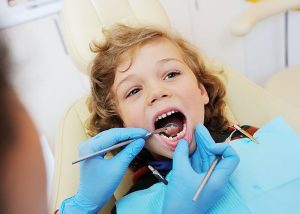
What Makes a Children’s Dental Clinic Different?
A general dental practice may treat patients of every age, while a pediatric-focused clinic structures its approach around children. This difference can affect everything from the waiting room to communication techniques and treatment planning.
When comparing a children’s dental clinic in Istanbul, parents should consider several factors rather than choosing a clinic solely because it has attractive facilities.
| What to Consider | Why It Matters | What Parents Can Look For |
|---|---|---|
| Pediatric experience | Children require age-appropriate communication and care | Dentist with experience treating children |
| Clinic environment | A welcoming setting can reduce anxiety | Child-friendly and comfortable surroundings |
| Preventive care | Prevention reduces the risk of extensive treatment | Regular check-ups, fluoride and oral hygiene guidance |
| Communication | Children need explanations they can understand | Simple language and patient interaction |
| Treatment approach | Different children respond differently to dental care | Individualized behavior management |
| Emergency support | Dental accidents can happen unexpectedly | Clear guidance for urgent situations |
| Parent education | Home care strongly influences oral health | Practical brushing, diet and habit advice |
A clinic should also communicate clearly with parents. Parents deserve to understand the diagnosis, available treatment options, expected appointments, and home-care recommendations before making decisions.
Choosing the Right Pediatric Dentist in Istanbul
Istanbul offers a wide range of dental practices, so parents may find it difficult to distinguish between clinics that look similar online. Photos and advertisements can provide useful initial information, but they should not become the only basis for choosing a dentist.
Start by checking whether the dental team has specific experience with pediatric patients. You can also ask how the clinic handles children who feel nervous, refuse to cooperate, or need several appointments.
Questions Parents Should Ask Before Booking
A short conversation with the clinic can reveal a great deal about its approach. Consider asking:
- Does the dentist regularly treat infants and young children?
- How does the team handle dental anxiety?
- What happens during the first appointment?
- Does the dentist explain procedures directly to the child?
- How does the clinic approach preventive dentistry?
- What happens if my child experiences a dental emergency?
- How does the team communicate treatment recommendations with parents?
- Can the clinic accommodate children with previous negative dental experiences?
A clinic that welcomes these questions usually gives parents a clearer understanding of what to expect.
Pediatric Dental Anxiety: How Parents Can Help
Dental anxiety can develop for different reasons. Some children fear unfamiliar environments, while others react to previous experiences, stories from friends, parental anxiety, or simply the idea of someone examining their mouth.
Parents can make the experience easier by introducing dental care naturally at home. Reading age-appropriate books about dentists, playing pretend dentist, and allowing children to watch parents brush their teeth can make oral care feel familiar.
Avoid using the dentist as a threat. Saying “If you do not brush your teeth, the dentist will give you an injection” may make future appointments much more difficult.
Instead, explain dental visits positively and realistically. Tell your child that the dentist checks their teeth, helps keep their mouth healthy, and teaches them how to care for their smile.
Expert Tip
Let the child ask questions without correcting every concern immediately. If your child says, “I think the dentist will hurt me,” acknowledge the feeling first. You can then explain that the dental team will tell them what happens and help them feel comfortable throughout the appointment.
Prevention Should Start Before Problems Appear
One of the strongest advantages of pediatric dentistry involves prevention. Children develop habits quickly, and consistent oral hygiene can reduce the risk of cavities and gum problems.
Parents should supervise brushing according to their child’s age and abilities. Young children often need direct assistance because they cannot reliably clean every surface of their teeth.
A healthy routine typically includes regular tooth brushing with an age-appropriate fluoride toothpaste, balanced nutrition, limited frequent exposure to sugary foods and drinks, and regular dental examinations.
Diet and Children’s Oral Health
Nutrition plays an important role in dental health. Frequent consumption of sugary snacks and drinks can increase the amount of time teeth remain exposed to acids produced by oral bacteria.
Parents do not necessarily need to eliminate every sweet food from a child’s diet. Instead, they should pay attention to frequency, portion sizes, oral hygiene, and the overall dietary pattern.
Water makes a useful everyday drink choice. Parents should also discuss specific dietary concerns with their child’s dentist, especially when a child has recurring cavities.
Dental Development and Early Orthodontic Awareness
A pediatric dental examination can also provide information about how the teeth and jaws develop. The dentist can monitor tooth eruption, spacing, bite development, and habits that may influence oral structures.
Not every child needs orthodontic treatment. However, early observation can help identify situations that may benefit from further assessment.
Issues such as prolonged thumb sucking, certain oral habits, early tooth loss, crowding, or significant bite differences may deserve professional attention. Early awareness does not automatically mean treatment; it simply gives parents more time to understand the situation.
What If Your Child Already Has Dental Fear?
Parents should not assume that a child with dental anxiety cannot receive successful dental care. Pediatric dental teams use different communication and behavior-management strategies depending on the child’s age, personality, anxiety level, and treatment needs.
The first objective may involve building trust rather than completing extensive treatment immediately. A short introductory visit can sometimes help a child become familiar with the environment before a more involved appointment.
Never shame a child for crying, refusing to open their mouth, or feeling nervous. Fear is an emotional response, not bad behavior. A patient and structured approach can gradually improve cooperation.
Parents should pay attention to several details when selecting a clinic:
- Do not choose a clinic solely because it offers the lowest price.
- Do not assume a general dentist automatically provides specialized pediatric care.
- Do not postpone dental visits until your child complains about pain.
- Do not hide information about previous negative dental experiences.
- Do not promise that treatment will never feel uncomfortable.
- Do not compare your child’s behavior with another child’s behavior.
- Do not ignore recurring bad breath, tooth sensitivity, bleeding gums, or visible discoloration.
A child’s dental needs can change quickly as permanent teeth begin to develop and erupt. Regular professional monitoring can help identify changes before they become larger concerns.
One common mistake involves waiting for a toothache before arranging a dental appointment. Pain often indicates that a dental problem has progressed beyond its earliest stage.
Another mistake involves focusing entirely on cavities. Pediatric dentistry also covers prevention, gum health, eruption patterns, oral habits, bite development, and education.
Parents sometimes choose a clinic based only on online reviews or attractive photographs. Reviews can provide useful clues, but direct communication with the dental team can offer more meaningful information about how they handle children.
Finally, some parents speak about dental appointments as if they represent a punishment. Children learn from the language adults use, so calm and neutral communication can make a meaningful difference.
Building a Long-Term Dental Routine
The best pediatric dental experience does not end when the child leaves the clinic. The real benefit appears when the child gradually develops a routine that includes brushing, healthy eating habits, and regular dental visits.
Parents should treat oral hygiene as a normal part of everyday life rather than an occasional task. A predictable morning and evening routine can help children understand that taking care of their teeth belongs alongside bathing, dressing, and other daily habits.
As children grow, parents can gradually transfer responsibility for brushing while continuing to supervise when necessary. The goal involves creating independence without sacrificing effective cleaning.
Why the Right Clinic Can Make a Lasting Difference
Selecting a children’s dental clinic in Istanbul involves more than finding an appointment close to home. Parents should look for a pediatric dental team that combines clinical knowledge with patience, communication, preventive care, and an understanding of childhood behavior.
The ideal first visit should help the child understand that dental care does not have to feel frightening. With regular check-ups and supportive guidance at home, children can develop a healthier relationship with dentists and become more confident about caring for their teeth.
A positive dental experience during childhood can become a foundation for lifelong oral health. When parents choose carefully and introduce dental care early, they give their children an important advantage: the confidence to look after their own smiles as they grow.
FAQs
At what age should a child first visit the dentist?
Children should generally have their first dental visit when their first tooth appears and no later than their first birthday. Early appointments focus mainly on prevention, oral development, and helping parents establish healthy routines.
How can I prepare my child for their first dental appointment?
Use simple and positive language, explain that the dentist will look at their teeth, and avoid frightening words or promises. Reading children’s books about dental visits and practicing tooth-checking through play can also make the experience more familiar.
What should I look for in a children’s dental clinic in Istanbul?
Look for a clinic with pediatric experience, child-friendly communication, preventive care, and a calm approach to dental anxiety. Parents should also choose a team that explains treatment options clearly and answers questions openly.
How often should children visit the dentist?
The appropriate interval depends on the child’s oral health, age, dental history, and individual risk factors. The pediatric dentist can recommend a personalized schedule based on the child’s needs.