
Esenyurt Dentist: Comprehensive Dental Services
Esenyurt Dentist: Comprehensive Dental Services
Choosing an Esenyurt Dentist can help you protect your oral health, address dental problems early, and maintain a confident smile. A trusted dental clinic in Esenyurt can provide preventive care, restorative treatments, cosmetic dentistry, and emergency support while creating a treatment plan based on your individual needs.
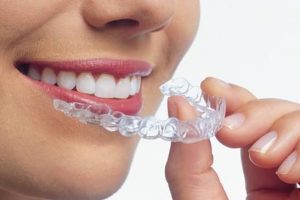
Finding a Trusted Esenyurt Dentist
Finding the right dentist involves more than choosing the closest clinic. Patients should consider the dentist’s experience, range of services, approach to patient communication, technology, hygiene standards, and ability to explain treatment options clearly.
A good dental practice should make you feel comfortable from your first appointment. The dentist should listen to your concerns, examine your oral health carefully, explain the diagnosis in understandable language, and discuss suitable treatment alternatives before starting a procedure.
Location also matters, particularly for patients who need several appointments. Choosing a dental clinic in Esenyurt that you can reach easily can make it much simpler to attend regular check-ups and complete longer treatment plans.
What Should You Look For?
When comparing dental clinics, consider the following factors:
- Qualified and experienced dental professionals
- Comprehensive dental services
- Modern diagnostic and treatment technology
- Clear communication about treatment options
- Transparent information about costs
- Strong hygiene and sterilization procedures
- Convenient appointment availability
- Emergency dental support
- Patient-focused treatment planning
- Follow-up care after procedures
Expert Tip: Do not choose a dentist based only on price. A lower initial cost may not represent the complete treatment, follow-up appointments, diagnostic procedures, or long-term maintenance that you may need.
Dental Examination and Preventive Care
Regular dental examinations form the foundation of good oral health. A routine appointment allows a dentist to identify cavities, gum problems, worn fillings, damaged teeth, plaque accumulation, and other concerns before they become more complicated.
During a dental examination, the dentist typically reviews your dental history and examines your teeth, gums, bite, and overall oral condition. When necessary, the dentist may recommend dental X-rays or other diagnostic methods to evaluate areas that cannot be assessed through a visual examination alone.
Preventive dentistry focuses on reducing the likelihood of future dental problems. Professional teeth cleaning, oral hygiene education, fluoride treatments when appropriate, and regular examinations can all contribute to healthier teeth and gums.
Why Preventive Dentistry Matters
Many dental conditions develop gradually. Tooth decay may initially cause little or no discomfort, while gum disease can progress without obvious symptoms during its early stages.
Regular appointments give your dentist an opportunity to detect these issues at an earlier stage. Early treatment often means a simpler procedure, less discomfort, and a lower risk of extensive dental damage.
Patients should also maintain a consistent home-care routine that includes:
- Brushing twice a day with fluoride toothpaste
- Cleaning between teeth with floss or interdental brushes
- Limiting frequent sugary snacks and drinks
- Replacing worn toothbrushes or brush heads
- Following professional dental recommendations
- Scheduling regular dental examinations

Common Dental Services in Esenyurt
A comprehensive dental clinic can address a wide variety of oral health needs. The appropriate treatment depends on the patient’s diagnosis, age, dental history, expectations, and overall oral condition.
| Dental Service | Main Purpose | Common Patient Need |
|---|---|---|
| Dental Examination | Evaluate overall oral health | Routine check-up and diagnosis |
| Professional Cleaning | Remove plaque and calculus | Preventive oral care |
| Dental Fillings | Restore teeth affected by decay | Cavities and minor damage |
| Root Canal Treatment | Treat infected dental pulp | Severe decay or dental infection |
| Dental Crowns | Protect and restore damaged teeth | Broken or weakened teeth |
| Dental Implants | Replace missing teeth | Long-term tooth replacement |
| Teeth Whitening | Improve tooth appearance | Cosmetic smile enhancement |
| Veneers | Improve tooth shape and appearance | Cosmetic dental concerns |
| Gum Treatment | Manage periodontal problems | Bleeding or inflamed gums |
| Emergency Dentistry | Address urgent dental problems | Severe pain, trauma, swelling |
This range allows patients to receive different types of treatment within one coordinated dental care plan rather than searching for a separate provider for every dental concern.
Restorative Dentistry for Damaged Teeth
Restorative dentistry aims to repair damaged, decayed, or weakened teeth while preserving as much healthy tooth structure as possible. Dentists may recommend fillings, crowns, bridges, or root canal treatment depending on the severity of the problem.
Dental fillings commonly treat cavities that have not significantly weakened the tooth. When a tooth has extensive structural damage, a crown may provide additional protection and restore its function.
Root canal treatment addresses infection or inflammation inside the tooth. Contrary to a common misconception, modern root canal procedures focus on removing the source of infection while allowing the natural tooth to remain in place.
Important: Persistent toothache should not automatically lead to extraction. In many cases, a dentist can evaluate the tooth and determine whether restorative treatment can preserve it.
Dental Implants and Missing Teeth
Missing teeth can affect more than appearance. Tooth loss may influence chewing, speech, bite balance, and the way neighboring teeth function over time.
Dental implants provide one option for replacing missing teeth. An implant treatment plan usually involves a detailed examination of the jawbone, gums, available space, and overall oral health before the dentist determines whether implant treatment suits the patient.
The treatment process can vary considerably from one person to another. Bone volume, gum health, the number of missing teeth, existing dental conditions, and the chosen restoration can all influence the treatment timeline.
Patients considering dental implants should therefore request a personalized assessment rather than relying on a standard treatment duration or price advertised online.
Cosmetic Dentistry for a More Confident Smile
Modern cosmetic dentistry offers several approaches for improving the appearance of teeth. Teeth whitening, dental veneers, aesthetic fillings, crowns, and smile design can address different concerns.
Professional teeth whitening can help reduce certain types of tooth discoloration. The dentist should first determine why the teeth have changed color because not every type of discoloration responds equally to whitening.
Veneers can change the apparent shape, size, color, or alignment of selected teeth. However, cosmetic treatment should always balance aesthetics with dental health, bite function, gum condition, and long-term maintenance.
Smile Design and Treatment Planning
A smile makeover should not simply focus on making teeth look as white as possible. A well-planned approach considers facial proportions, tooth shape, gum appearance, bite relationships, and the patient’s expectations.
A dentist may recommend combining different treatments to achieve a natural-looking result. The most appropriate solution depends on the condition of the teeth rather than following a one-size-fits-all cosmetic formula.
Emergency Dental Care in Esenyurt
Dental emergencies can occur unexpectedly. Severe toothache, dental trauma, a broken tooth, significant swelling, or a lost restoration may require prompt professional evaluation.
Patients should contact a dental clinic as soon as possible when they experience intense or rapidly worsening symptoms. Delaying treatment can allow certain dental problems to progress and may make subsequent treatment more complicated.
For a knocked-out permanent tooth, time matters. The patient should seek urgent dental care and avoid handling the tooth root unnecessarily while following professional guidance during transportation to the clinic.
Attention: Facial swelling accompanied by difficulty breathing or swallowing requires urgent medical attention because it can indicate a potentially serious infection.
Dental Care for Children
Children benefit from dental care that begins early. Regular dental visits can help parents learn about brushing techniques, fluoride use, nutrition, habits that affect oral development, and the appropriate timing of preventive care.
A child-friendly dentist can also help young patients develop positive associations with dental visits. Early familiarity with the dental environment may reduce anxiety and encourage better oral hygiene habits later in life.
Parents should pay attention to signs such as tooth sensitivity, persistent bad breath, visible discoloration, difficulty chewing, or complaints of dental pain. Children may not always explain dental discomfort clearly, so changes in eating or behavior can also provide useful clues.
Gum Health and Periodontal Care
Healthy teeth require healthy supporting tissues. Gum disease can begin with plaque accumulation and gingival inflammation, often causing symptoms such as redness, swelling, tenderness, or bleeding during brushing.
If gum disease progresses, it can affect the tissues and bone supporting the teeth. Periodontal treatment depends on the severity of the condition and may include professional cleaning, improved home care, periodontal treatment, and ongoing monitoring.
Bleeding gums do not represent a normal sign that patients should simply ignore. While occasional irritation can have different causes, recurring bleeding deserves a professional evaluation.
Modern Dental Technology
Technology can improve the accuracy and efficiency of dental diagnosis and treatment. Depending on the clinic, dentists may use digital X-rays, intraoral cameras, digital scanning systems, computer-assisted planning, and other modern diagnostic tools.
Digital imaging can help dentists identify problems that may remain difficult to detect during a standard visual examination. Intraoral scanners can also provide detailed digital information for certain restorative and orthodontic workflows.
However, technology should support clinical expertise rather than replace it. A sophisticated device cannot create an appropriate treatment plan without proper examination, diagnosis, and professional judgment.
How to Prepare for Your Dental Appointment
Patients can make their appointments more productive by preparing a few basic details beforehand. Write down any symptoms, when they started, what makes them worse, and whether you have experienced similar problems previously.
You should also tell the dentist about medications, allergies, previous dental procedures, and relevant medical information. Clear communication helps the dental team evaluate your situation more effectively.
Before treatment, ask practical questions such as:
- What problem did the examination identify?
- What treatment options are available?
- What happens if I delay treatment?
- How many appointments might I need?
- What should I expect during recovery?
- What maintenance will I need afterward?
- What costs should I expect for the complete treatment?
Common Mistakes Patients Make
Some dental habits can unintentionally create bigger problems over time. Avoiding the dentist until pain becomes severe remains one of the most common mistakes.
Another mistake involves choosing treatment solely according to promotional prices. Dental treatment requires a clinical assessment, and the cheapest advertised procedure may not represent the right solution for your specific condition.
Other common mistakes include:
- Using excessive force while brushing
- Ignoring recurring gum bleeding
- Delaying treatment because pain temporarily disappears
- Using someone else’s prescription medication
- Attempting to repair dental appliances without professional advice
- Treating cosmetic concerns without checking underlying dental health
- Skipping follow-up appointments
- Assuming that dental implants suit every patient
Professional Advice: Think of dental care as an ongoing health routine rather than a service you need only when something hurts. Preventive visits can help you identify problems before they demand more extensive treatment.
Choosing the Right Treatment for Your Needs
Every patient has different dental priorities. One person may need a simple filling, while another may require periodontal treatment, tooth replacement, or a comprehensive cosmetic plan.
A responsible dentist should explain the diagnosis and treatment alternatives before recommending a procedure. Patients should understand the expected benefits, possible limitations, recovery requirements, maintenance needs, and approximate treatment timeline.
The best dental plan balances oral health, function, aesthetics, comfort, and long-term sustainability. This patient-specific approach often produces more predictable results than choosing a treatment simply because it appears popular online.
Building Long-Term Oral Health
Visiting an Esenyurt Dentist should represent more than treating individual dental problems. A long-term dental care strategy can help patients maintain healthy teeth, protect their gums, monitor existing restorations, and respond quickly when new symptoms appear.
Regular examinations work together with daily oral hygiene. Neither professional care nor home care can replace the other, so patients should treat both as essential parts of their oral health routine.
A healthy lifestyle also supports dental health. Balanced nutrition, reduced sugar consumption, adequate hydration, and avoidance of tobacco products can contribute to healthier teeth and gums.
What Patients Should Expect from a Professional Dental Clinic
A patient-focused dental clinic should provide clear communication at every stage. From the first appointment through diagnosis, treatment, and follow-up, the dental team should explain what happens and why it matters.
Good communication also helps patients make informed decisions. Instead of simply accepting a treatment recommendation, patients should feel comfortable asking questions and discussing alternatives.
When patients combine regular professional examinations with effective daily care, they can significantly improve their chances of maintaining their natural teeth and oral function for many years.
FAQs
How often should I visit an Esenyurt Dentist?
Many patients benefit from regular dental examinations approximately every six months, but the ideal interval depends on individual risk factors. Patients with gum disease, extensive dental restorations, orthodontic treatment, or a high risk of cavities may need more frequent appointments.
What should I do if I have severe tooth pain?
Contact a dentist promptly and explain the severity and duration of the pain. Avoid delaying care simply because pain temporarily improves, as some dental infections can continue developing without constant symptoms.
Is professional teeth whitening safe?
Professional whitening can provide safe and effective results when a dentist evaluates your teeth and gums first. The dentist can determine whether whitening suits your dental condition and explain potential sensitivity or other temporary effects.
How do I choose the best dentist in Esenyurt?
Consider qualifications, experience, available dental services, diagnostic technology, hygiene practices, communication, patient reviews, and treatment transparency. Most importantly, choose a dentist who evaluates your individual needs and explains treatment options clearly before proceeding.