
Mecidiyeköy Dentist: Professional Dental Care for Every Need
Mecidiyeköy Dentist: Professional Dental Care for Every Need
A Mecidiyeköy dentist provides comprehensive dental care for patients who want to protect their oral health, solve existing dental problems, and maintain a confident smile. From routine check-ups and professional teeth cleaning to restorative treatments and cosmetic dentistry, choosing a qualified dental professional can make every stage of dental care more comfortable and predictable.
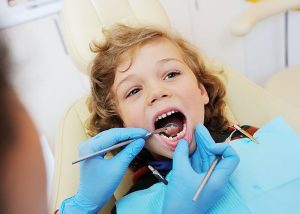 Choosing the Right Mecidiyeköy Dentist
Choosing a dentist involves more than looking for the nearest dental clinic. A good dentist should combine clinical experience, modern diagnostic methods, appropriate treatment planning, clear communication, and a patient-centered approach. These factors help patients understand their options and make informed decisions about their oral health.
Mecidiyeköy offers convenient access to dental clinics for people living and working around Şişli, Nişantaşı, Fulya, Çağlayan, Gayrettepe, and surrounding neighborhoods. This accessibility makes the area a practical choice for patients who want to schedule dental appointments without making long journeys across Istanbul.
Before selecting a dentist, consider the following points:
- The dentist’s professional experience and areas of expertise
- The range of treatments available at the clinic
- Diagnostic technology used during examinations
- Hygiene and sterilization standards
- Communication style and treatment explanations
- Emergency dental care options
- Appointment availability and scheduling flexibility
- Whether the clinic creates personalized treatment plans
A reliable dental professional should explain the condition of your teeth in understandable language. Instead of simply recommending a procedure, the dentist should explain why you need it, what alternatives exist, how long treatment may take, and what kind of maintenance you should follow afterward.
Why the Initial Examination Matters
The first dental examination creates the foundation for effective treatment. During an appointment, the dentist can evaluate the teeth, gums, bite, existing restorations, and overall oral condition. Depending on the symptoms and clinical findings, the dentist may also recommend dental X-rays or other diagnostic procedures.
Regular examinations can identify problems before they become more complicated. A small cavity, for example, may require a relatively simple restoration when detected early, while an untreated cavity can progress toward the dental pulp and eventually require root canal treatment.
General and Preventive Dental Treatments
Preventive dentistry focuses on maintaining healthy teeth and gums rather than waiting for pain or visible damage to appear. Regular dental examinations, professional cleaning, fluoride applications when appropriate, and good home-care habits can significantly contribute to long-term oral health.
Many people visit a dentist only when they experience toothache. However, pain often indicates that a dental problem has already progressed. Preventive appointments give the dentist an opportunity to identify early signs of decay, gum disease, enamel wear, cracked teeth, or other oral health concerns.
Common general and preventive dental services include:
- Routine dental examinations
- Professional teeth cleaning
- Dental X-rays and diagnostic evaluation
- Cavity detection and fillings
- Gum disease assessment
- Fluoride treatments when clinically appropriate
- Dental sealants in suitable cases
- Oral hygiene education
- Bite and jaw evaluation
Professional Teeth Cleaning
Daily brushing and flossing form the foundation of oral hygiene, but home care cannot always remove every deposit from hard-to-reach areas. Professional dental cleaning helps remove plaque and tartar that accumulate around the teeth and gumline.
Patients should not view professional cleaning as a replacement for daily brushing. Instead, it should complement a consistent oral hygiene routine. Brushing twice a day with fluoride toothpaste, cleaning between the teeth, and following the dentist’s recommendations can help maintain the results.
Gum Health and Periodontal Care
Healthy teeth depend heavily on healthy gums. Red, swollen, sensitive, or bleeding gums may indicate gingival inflammation and should not simply become part of a person’s normal routine.
When gum problems progress, bacteria can affect deeper tissues supporting the teeth. A dentist can assess the severity of the condition and recommend an appropriate periodontal care plan. Early intervention often makes gum health easier to manage.
Restorative Dentistry for Damaged Teeth
Restorative dentistry aims to restore the function, structure, and appearance of teeth affected by decay, trauma, wear, or previous dental problems. Treatment selection depends on the extent of damage and the condition of the remaining tooth structure.
A dentist may recommend a filling for a smaller cavity, while a more extensively damaged tooth may require a crown or another restorative solution. When decay reaches the inner part of the tooth, root canal treatment may become necessary.
The main objectives of restorative dentistry include:
- Removing damaged or decayed tissue
- Protecting remaining healthy tooth structure
- Restoring normal chewing function
- Reducing sensitivity and discomfort
- Improving the durability of the tooth
- Preserving natural teeth whenever possible
Root Canal Treatment
Root canal treatment can preserve a tooth when infection or inflammation reaches the dental pulp. The dentist removes the affected tissue, cleans and disinfects the root canal system, and then seals the treated area.
Patients sometimes associate root canal treatment with severe pain. Modern dental techniques and local anesthesia can make the procedure considerably more comfortable. The dentist should also explain the expected recovery period and any necessary restoration after treatment.
Cosmetic Dentistry and Smile Improvement
Dental care does not only focus on disease prevention and treatment. Many patients also want to improve the appearance of their smile, especially when they have discoloration, uneven teeth, gaps, worn enamel, or aesthetic concerns.
Cosmetic dentistry can include professional teeth whitening, dental bonding, veneers, and other smile-enhancement procedures. However, cosmetic treatment should begin with an assessment of oral health.
A dentist should address active cavities, gum problems, infections, or other significant oral conditions before starting elective cosmetic procedures. A healthy foundation helps patients achieve more predictable and sustainable aesthetic results.
Teeth Whitening
Professional teeth whitening can improve the appearance of naturally discolored teeth. The dentist first evaluates the teeth and gums to determine whether whitening suits the patient.
It is important to understand that whitening does not change the color of dental crowns, veneers, fillings, or some other restorations. A dentist can explain the expected outcome and help patients avoid unrealistic expectations.
Dental Crowns, Bridges, and Missing Teeth
Missing teeth can affect more than appearance. They may influence chewing, speech, bite balance, and the distribution of forces across the remaining teeth.
Depending on the patient’s condition, a dentist may discuss options such as dental bridges, removable prostheses, or dental implants. Each solution has different requirements, benefits, maintenance needs, and costs.
| Dental Treatment | Main Purpose | Suitable Situation | Key Consideration |
|---|---|---|---|
| Dental Filling | Restore a damaged tooth | Small to moderate cavities | Preserves remaining tooth structure |
| Root Canal Treatment | Treat infected or inflamed pulp | Advanced decay or pulp damage | Often requires a protective restoration |
| Dental Crown | Protect and restore a weakened tooth | Extensive structural damage | Requires careful evaluation of remaining tooth |
| Dental Bridge | Replace one or more missing teeth | Certain cases of tooth loss | Requires suitable supporting teeth |
| Dental Implant | Replace a missing tooth or teeth | Appropriate candidates for implant treatment | Requires assessment of bone and overall oral condition |
| Teeth Whitening | Improve tooth color | Suitable cases of discoloration | Existing restorations do not whiten like natural teeth |
Emergency Dental Care in Mecidiyeköy
Dental emergencies can occur unexpectedly. Severe toothache, dental trauma, a broken tooth, swelling, or significant bleeding may require prompt professional evaluation.
Patients should avoid delaying care when they experience severe or rapidly worsening symptoms. A dentist can determine whether the problem requires immediate treatment or whether the patient can safely schedule a standard appointment.
For a dental emergency, useful steps include:
- Contacting a dental clinic as soon as possible
- Explaining the symptoms clearly when booking the appointment
- Avoiding unnecessary pressure on an injured tooth
- Following professional instructions for temporary care
- Taking previous dental records or medication information when relevant
If facial swelling, difficulty breathing, difficulty swallowing, or other serious symptoms occur, the situation may require urgent medical assessment rather than routine dental care.
What Makes Patient-Centered Dental Care Different?
A high-quality dental experience involves more than technical treatment. Patients need clear explanations, realistic expectations, comfortable communication, and a treatment plan that considers their individual needs.
For example, two patients with similar-looking dental problems may not require identical treatments. Age, oral hygiene, existing restorations, gum health, bite, medical history, lifestyle, and personal priorities can all influence treatment decisions.
A patient-centered dentist takes these factors into account before recommending a procedure. This approach can help patients understand not only what treatment they need but also why the treatment makes sense for their particular situation.
Expert Tip: Do not choose a dental treatment based solely on price. Compare the dentist’s experience, diagnostic approach, treatment plan, materials, follow-up process, and long-term maintenance requirements as well.
Digital Dentistry and Modern Dental Technology
Modern dental clinics increasingly use digital technologies to improve diagnosis and treatment planning. Digital imaging, intraoral scanning, digital photography, and computer-assisted planning can provide dentists with detailed information about a patient’s oral condition.
These technologies can also make communication easier. For example, an intraoral scan can help patients visualize areas that require attention, while digital records can support more detailed treatment planning.
Technology should support clinical expertise rather than replace it. The dentist still needs to interpret diagnostic information and select the most appropriate treatment according to the patient’s condition.
How to Prepare for a Dental Appointment
Patients can make dental appointments more productive by preparing basic information in advance. Tell the dentist about current symptoms, previous dental treatments, medications, allergies, and any concerns related to dental procedures.
It also helps to write down questions before the appointment. Patients often forget important questions once they sit in the dental chair, especially when they feel nervous.
Consider asking:
- What is causing my current dental problem?
- Do I need treatment immediately?
- What treatment options do I have?
- What happens if I postpone treatment?
- How many appointments will I need?
- What should I do after the procedure?
- How can I prevent the problem from returning?
Things to Consider Before Choosing a Dental Clinic
Convenience matters, but it should not become the only selection criterion. A clinic located close to your home or workplace can make regular appointments easier, yet the quality of diagnosis and treatment should remain the priority.
Do not make a treatment decision without understanding the proposed procedure. Ask the dentist to explain the expected benefits, possible limitations, alternatives, recovery requirements, and maintenance needs.
Patients should also pay attention to hygiene. Clean treatment areas, appropriate sterilization procedures, disposable materials where necessary, and organized clinical practices all contribute to patient safety and confidence.
Common Mistakes Patients Make
One of the most common mistakes involves waiting until dental pain becomes severe. Patients sometimes assume that a temporary reduction in pain means that the problem has disappeared, but dental conditions can continue to develop without obvious symptoms.
Another common mistake involves brushing aggressively. Excessive pressure can contribute to gum irritation and enamel wear. Patients should use an appropriate toothbrush and follow professional guidance about brushing technique.
Other frequent mistakes include:
- Skipping regular dental examinations
- Ignoring persistent gum bleeding
- Using teeth to open packages or hard objects
- Delaying treatment for cracked or broken teeth
- Consuming excessive amounts of sugary foods and drinks
- Neglecting interdental cleaning
- Expecting cosmetic procedures to solve untreated oral health problems
Building a Long-Term Oral Health Routine
Good dental health depends on consistent habits rather than occasional intensive treatment. A practical routine should include daily brushing, cleaning between the teeth, balanced nutrition, adequate hydration, and regular professional examinations.
The exact frequency of dental visits depends on individual risk factors. Patients with a history of cavities, gum disease, extensive restorations, orthodontic treatment, or other specific concerns may need more frequent monitoring.
The best Mecidiyeköy dentist for one patient may not be the best choice for another. The right decision depends on the patient’s treatment needs, the dentist’s expertise, the clinic’s approach, and the quality of communication throughout the process.
Frequently Asked Questions
How often should I visit a Mecidiyeköy dentist?
Many people benefit from regular dental examinations, often around twice a year, but the ideal schedule depends on individual oral health risks. Your dentist can recommend an appropriate interval based on your teeth, gums, hygiene habits, and treatment history.
What should I do if I have severe tooth pain?
Contact a dentist promptly and describe the location, intensity, and duration of the pain. Severe pain can indicate decay, infection, trauma, or another condition that requires professional evaluation.
Is professional teeth cleaning necessary if I brush every day?
Yes, in many cases. Daily brushing and interdental cleaning help control plaque, while professional cleaning can remove hardened tartar that home-care methods cannot effectively eliminate.
How can I choose the best dentist in Mecidiyeköy?
Look beyond location and price. Consider the dentist’s experience, treatment areas, diagnostic methods, clinic hygiene, communication style, treatment planning process, and ability to provide the type of care you need.