
Porcelain Laminate Veneers Istanbul: The Art of Designing a More Confident Smile
Porcelain Laminate Veneers Istanbul: The Art of Designing a More Confident Smile
Porcelain Laminate Veneers Istanbul offers a cosmetic dentistry approach that can improve the appearance of teeth while preserving a natural-looking smile. Dentists use thin porcelain veneers to address concerns such as tooth colour, minor shape irregularities, small gaps and worn edges, while planning the result around the patient’s facial features and personal expectations.

Why Porcelain Veneers Are Popular for Smile Transformations
A smile influences facial appearance, communication and first impressions. For this reason, many people look beyond simple tooth whitening when they want a more noticeable cosmetic improvement. Porcelain laminate veneers can provide a comprehensive approach by combining changes in colour, proportion, contour and tooth symmetry.
Porcelain has optical properties that closely resemble natural enamel. High-quality dental ceramics can reflect and transmit light in a way that creates depth rather than producing a flat, artificial appearance. This characteristic makes porcelain veneers particularly attractive to patients who want a brighter smile without losing a natural visual character.
Dentists can also use veneers to address several cosmetic concerns within the same treatment plan. Depending on the condition of the teeth, a smile makeover may address:
- Discolouration that does not respond sufficiently to whitening
- Small chips or worn edges
- Minor spacing between teeth
- Slightly irregular tooth shapes
- Uneven proportions between visible teeth
- Certain cosmetic concerns involving tooth symmetry
- Teeth that appear too short or narrow
Porcelain veneers do not simply make teeth whiter. They allow dentists to redesign several visual characteristics of the smile as part of one coordinated treatment.
The planning process therefore matters as much as the ceramic material itself. A beautiful result depends on tooth preparation, bite assessment, facial proportions, gum contours, veneer thickness, ceramic selection and communication between the dentist, laboratory technician and patient.
How Veneer Shape and Colour Are Selected
Choosing the right veneer shape requires more than selecting a photograph from a catalogue. Dentists evaluate the patient’s facial structure, lip movement, existing teeth, gum line and smile dynamics before deciding on the final proportions.
The shape of the central incisors often plays an important role because these teeth occupy a prominent position in the smile. Their width-to-height ratio, incisal edge position and relationship with neighbouring teeth can significantly influence the overall appearance.
A dentist may assess several factors during smile design:
- Facial symmetry and proportions
- Lip position at rest and during smiling
- Tooth width and length
- Gum visibility
- Incisal edge position
- Existing tooth anatomy
- Bite relationship
- Age-related characteristics
- Personal aesthetic preferences
Colour selection follows a similarly detailed process. Instead of simply choosing the brightest available shade, the dental team considers skin tone, lip colour, neighbouring teeth and the desired level of brightness.
Very bright veneers can create a striking appearance, but excessive brightness may reduce natural-looking depth. A carefully selected shade can provide a lighter smile while retaining subtle variations that help the veneers blend with the rest of the face.
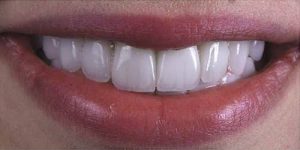
Smile Design Goes Beyond Tooth Colour
A successful smile makeover does not focus exclusively on individual teeth. Dentists also evaluate how the teeth interact with the lips, gums and surrounding facial structures.
For example, a tooth can look attractive on its own but appear disproportionate when placed beside neighbouring teeth. The same principle applies to veneer length. Extremely long veneers may create an unnatural appearance if they do not correspond with the patient’s lip dynamics and facial proportions.
Digital smile design can help patients understand these relationships before treatment begins. Dentists can use digital photographs, scans and planning software to examine possible changes in tooth dimensions and smile architecture.
However, digital simulations should support clinical planning rather than replace it. A computer-generated smile represents a planning concept, not a guarantee of the exact final result.
The dentist still needs to evaluate enamel condition, tooth position, occlusion, periodontal health and other clinical factors before proceeding.
What Makes Porcelain Different From Other Veneer Materials?
Porcelain laminate veneers use dental ceramic designed for aesthetic applications. Their appearance, surface characteristics and resistance to staining make them a popular option for cosmetic dentistry.
Composite bonding offers another approach. Dentists can apply tooth-coloured composite resin directly to the tooth and shape it during treatment. Composite treatments can work well for selected cases, but porcelain and composite differ in durability, optical characteristics, maintenance and treatment planning.
| Feature | Porcelain Laminate Veneers | Composite Bonding |
|---|---|---|
| Appearance | High aesthetic potential with enamel-like optical properties | Can produce attractive results with good technique |
| Stain resistance | Generally high | More susceptible to surface staining over time |
| Treatment approach | Requires detailed laboratory and clinical planning | Often allows direct chairside application |
| Durability | Can offer long-term service with appropriate care | Usually requires more maintenance or repair |
| Customisation | Laboratory fabrication allows detailed shape and colour control | Dentist shapes the material directly |
| Maintenance | Requires normal oral hygiene and professional monitoring | May require periodic polishing or repairs |
The appropriate choice depends on individual circumstances. A dentist should consider tooth structure, bite forces, oral hygiene, cosmetic expectations and long-term maintenance before recommending a specific treatment.
Understanding the Veneer Treatment Process in Istanbul
Patients researching porcelain laminate veneers in Istanbul often want to know what the treatment journey involves. The exact sequence can vary, but comprehensive cosmetic dentistry usually begins with a detailed consultation.
During the first appointment, the dentist examines the teeth and gums and discusses the patient’s expectations. Photographs, digital scans, radiographs or other diagnostic records may help the dental team develop a more precise treatment plan.
The planning stage can include:
- Smile and facial analysis
- Dental examination
- Gum assessment
- Bite and occlusion evaluation
- Digital scanning
- Shade planning
- Tooth proportion analysis
- Discussion of veneer design
- Laboratory communication
The dentist then determines whether veneers suit the patient’s oral health and aesthetic goals. If cavities, gum inflammation, significant bite problems or other dental conditions exist, the clinician may recommend addressing those issues before cosmetic treatment.
Once the treatment plan becomes clear, the dentist prepares the teeth according to the selected technique. Modern minimally invasive approaches aim to preserve as much healthy tooth structure as the clinical situation allows.
The laboratory then creates the ceramic restorations according to the dentist’s specifications. During the fitting stage, the dental team checks the veneers for colour, shape, contact points, margins and functional harmony.
Patients should never judge the final result only by colour. Fit, bite, tooth proportions and the relationship between the veneers and surrounding tissues also determine treatment quality.
Why Istanbul Attracts International Dental Patients
Istanbul has developed a significant international dental treatment sector, with clinics serving both local and overseas patients. The city combines a large healthcare market with dental laboratories, specialist clinicians and experience in cosmetic dentistry.
Patients travelling from abroad often compare clinics according to factors such as:
- Dentist qualifications and experience
- Treatment planning process
- Laboratory standards
- Communication and language support
- Diagnostic technology
- Aftercare arrangements
- Transparency of treatment costs
- Reviews and independent patient experiences
Price can influence a decision, but it should not become the only selection criterion. Two veneer packages with similar prices may differ substantially in material selection, diagnostic planning, dentist experience, laboratory involvement and aftercare.
A low treatment price does not automatically represent better value, just as a higher price does not automatically guarantee superior clinical quality.
Patients should therefore examine exactly what a quoted treatment includes before making a decision.
How to Evaluate a Porcelain Veneer Clinic
Choosing a clinic requires careful research because cosmetic dentistry combines medical considerations with highly subjective aesthetic preferences.
Before treatment, patients can ask the clinic for clear information about:
- The dentist who will perform the treatment
- The type and manufacturer of ceramic
- The laboratory responsible for fabrication
- The planned number of veneers
- The expected treatment stages
- Whether digital scans form part of the planning process
- What happens if a veneer requires adjustment
- What aftercare the clinic provides
- How the clinic handles follow-up appointments
Reviewing genuine before-and-after cases can also help. Patients should look for cases with similar dental characteristics rather than relying only on highly edited promotional photographs.
A good consultation should feel like a two-way discussion. The dentist should explain what the treatment can realistically achieve and identify limitations rather than promising a perfect smile without considering clinical conditions.
Porcelain Veneers and Natural-Looking Results
Many patients associate cosmetic dentistry with extremely white, perfectly symmetrical teeth. Modern smile design can take a different approach by introducing subtle variations that mimic natural dental anatomy.
Natural teeth rarely have completely identical shapes. Their incisal edges, translucency, surface texture and colour can vary slightly. Replicating some of these characteristics can make veneers appear more integrated with the face.
The technician may incorporate details such as translucency near the incisal edge, controlled surface texture and carefully selected colour gradients. These small characteristics can have a significant effect when light interacts with the ceramic.
The dentist also needs to consider the gum line. Veneers cannot compensate for every gum-related issue, so periodontal assessment remains an important part of comprehensive smile planning.
Think about the final smile as a complete composition rather than a collection of individual teeth. A successful design should complement facial proportions, lip movement and the patient’s natural appearance.
Bring reference photographs to the consultation if you have a particular aesthetic preference. However, use those images as inspiration rather than as an exact template because every person has different facial and dental proportions.
It also helps to discuss how bright you actually want the final smile to look. A shade that appears attractive in a photograph may look very different under natural daylight.
Porcelain veneers require healthy foundations. Patients should not view veneers as a substitute for treating untreated dental disease or poor oral hygiene.
People who grind or clench their teeth may require additional evaluation because excessive forces can increase the risk of ceramic damage. A dentist may recommend protective measures such as a night guard depending on the individual situation.
Patients should also understand that veneers do not make teeth indestructible. Hard objects, nail biting, using teeth as tools and untreated bruxism can place unnecessary stress on ceramic restorations.
Regular dental examinations remain important after treatment. Professional monitoring allows the dentist to assess the veneers, gums, bite and underlying teeth over time.
One common mistake involves choosing veneers solely according to the lowest advertised price. Cosmetic dentistry involves several stages, and cutting costs in planning or laboratory work can affect the overall experience and result.
Another mistake involves requesting an excessively bright shade without considering facial harmony. A brighter colour may look impressive initially, but a carefully selected shade often creates a more balanced appearance.
Some patients also focus exclusively on before-and-after photographs. Photographs can demonstrate possibilities, but they do not reveal every clinical factor involved in a treatment.
Other common mistakes include:
- Ignoring gum health before cosmetic treatment
- Choosing a veneer shape without considering facial proportions
- Failing to discuss bite or teeth grinding
- Assuming every smile can receive the same veneer design
- Not asking which ceramic material the clinic uses
- Failing to understand aftercare requirements
- Comparing clinics only by package price
Maintaining Porcelain Veneers After Treatment
Good oral hygiene remains essential after receiving porcelain veneers. Patients should brush regularly with an appropriate toothbrush and fluoride toothpaste while also cleaning between the teeth.
Dental check-ups allow clinicians to monitor the veneers and surrounding tissues. These appointments can also identify changes in bite, gum health or the condition of the underlying teeth.
Dietary habits matter as well. Although porcelain offers good resistance to everyday staining, patients should avoid using their teeth to open packaging or bite excessively hard objects.
A practical maintenance routine includes:
- Brush twice daily
- Clean between teeth every day
- Attend regular dental examinations
- Address teeth grinding when necessary
- Avoid biting hard non-food objects
- Follow the dentist’s individual maintenance recommendations
With appropriate care, porcelain veneers can remain an important part of a long-term smile design, although their lifespan varies according to oral health, bite, material, technique and daily habits.
Is Porcelain Veneer Treatment Right for Everyone?
Porcelain veneers can suit many cosmetic concerns, but they do not represent a universal solution. The dentist needs to examine the condition of the teeth and supporting tissues before recommending treatment.
Patients with significant tooth decay, uncontrolled gum disease, severe enamel loss or certain bite problems may need other treatments first. In some cases, orthodontic treatment, periodontal care, restorative dentistry or tooth whitening may provide a more appropriate starting point.
A personalised assessment therefore matters more than following a general trend. The goal should remain a healthy, functional and aesthetically harmonious smile.
FAQs
How long do porcelain laminate veneers last?
Their lifespan varies according to ceramic type, clinical technique, oral hygiene, bite forces and personal habits. Regular dental examinations and good daily care can help maintain the restorations for many years.
Are porcelain veneers painful?
The experience depends on the treatment technique and the individual condition of the teeth. Modern dentistry can use local anaesthesia when necessary, while minimally invasive approaches may reduce discomfort during treatment.
Can I choose the colour and shape of my veneers?
Patients can express their aesthetic preferences, but the dentist should evaluate those preferences alongside facial proportions, tooth anatomy, gum appearance and bite. The final design should balance personal expectations with clinical considerations.
How much do porcelain veneers cost in Istanbul?
The cost varies according to the number of veneers, ceramic material, laboratory standards, dentist experience, diagnostic procedures and the complexity of the case. Patients should request a detailed treatment plan and clarify exactly what the quoted price includes before comparing offers.